

Looking for the best things to do in Antibes? This picturesque French Riviera city, tucked between Nice and Cannes, is packed with historic charm, sandy beaches, and stunning viewpoints.
Located just 25 minutes from Nice by train, Antibes is a convenient day trip but also makes for a great base for exploring the Côte d’Azur. As someone who visits Antibes regularly, I’ll guide you through the highlights and hidden corners I know well.
From the cobbled lanes of Old Town and the coastal paths of Cap d’Antibes to the lively beach vibe of Juan-les-Pins, you’ll discover must-see sights, favorite food stops, and practical travel tips to make the most of your visit.
So, are you ready to discover the best things to do in Antibes? Let’s go!
This guide highlights the top things to do in Antibes, along with practical tips for planning your day trip or longer stay.
Affiliate links are sprinkled throughout the site content. Clicking on such a hyperlink and making a booking on the accommodation platform it refers to may result in a commission for Nice & Beyond at no additional cost to you. For more information, visit the Disclaimer page.
Planning more than a day trip?
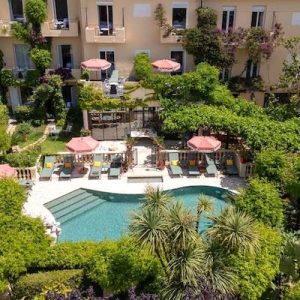
Here’s where to stay in Antibes
My Top Picks



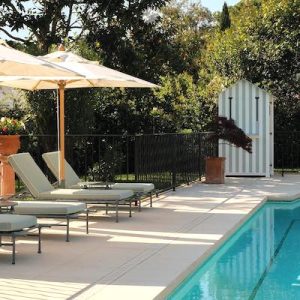

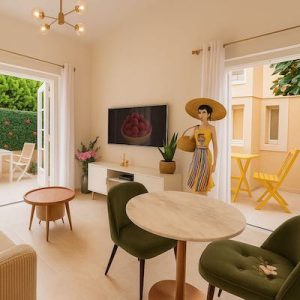
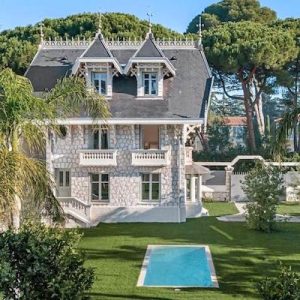
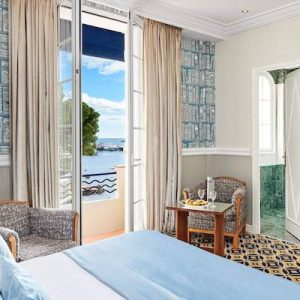
Top things to do in Antibes
Founded by the Greeks and later fortified by Vauban, Antibes blends history, culture, and Riviera lifestyle in a way few other destinations manage. Discover why this seaside city is a delight to explore.
Before we dive in, be sure to read my step-by-step guide on how to get from Nice to Antibes to learn about the fastest, cheapest, and most scenic options.
Also, note that some of Antibes’ must-see spots have specific opening hours, and some activities are seasonal. So, check the attraction’s website or read the activity’s fine print before planning your visit.
If you’re deciding whether Antibes deserves just a day trip or a longer stay, it helps to see the bigger picture. This Antibes travel guide brings together what to see, how to get there, the best beaches, and how Antibes compares to nearby Riviera towns, so you can plan your visit with confidence.
Here’s my Antibes bucket list.
Psst… Further down in this article, you’ll find a map that shows all the things to do in Antibes.
1. Explore the Old Town


Step through the Porte Marine and you’ll find yourself in Vieil Antibes, a maze of cobbled lanes, hidden passages, and lively squares wrapped within ancient ramparts. This atmospheric Old Town is the heart of Antibes, lined with cozy cafés, family-run restaurants, and boutique shops that give the city its Provençal charm.
As you wander, look for highlights such as Rue de l’Horloge and Rue de l’Esprit, which lead to the ochre-and-red Notre Dame de la Platea Cathedral, home to Louis Bréa’s celebrated “Virgin of the Rosary.” Don’t miss the tucked-away Saint-Bernardin Chapel in Rue du Docteur-Rostan, or the quirky Postcard Museum and the Peynet Museum — both great stops with kids or on a rainy day. Continue to the Rue du Bateau to discover the former Tourraque wash house and the small face sculptures set into the stonework.
How I love the convivial vibe of Vieil Antibes! There’s this catchy buzz that you feel as soon as you enter the city walls through the monumental Marine Gate.
2. Browse the Marché Provençal

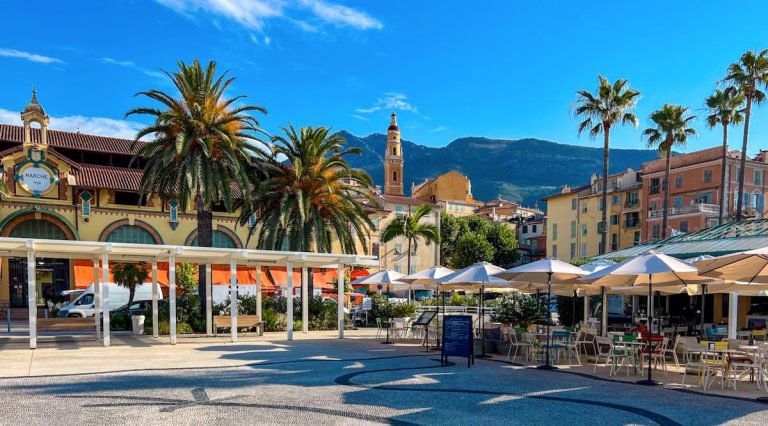
No visit to Antibes is complete without a stroll through the lively Marché Provençal, one of the most iconic markets on the French Riviera. Tucked under the covered hall on Cours Masséna, this bustling market is a feast for the senses: stalls overflow with colorful fruits and vegetables, fragrant herbs, creamy cheeses, olives, honey, and charcuterie. It’s the perfect place to sample regional specialties.
The market runs daily in June, July, and August from 7:30 am to 1 pm, but it closes on Mondays from September to May. Artists take over the hall with displays of paintings, sculptures, ceramics, and other crafts from Friday to Sunday afternoon (and in summer, also on Thursday afternoon).
3. Visit the Picasso Museum

The Picasso Museum is one of Antibes’ cultural highlights. The artist himself lived and worked in this very location for a few months in 1946, leaving behind paintings, drawings, ceramics, and etchings that form the heart of the collection. For a more thorough insight into Picasso’s creative process and the stories behind his masterpieces, consider booking this artist-led tour.
The museum is housed in the medieval Château Grimaldi, which was built on the ancient Greek acropolis of Antipolis. It later became a Roman castrum and served as a bishop’s residence during the Middle Ages before being acquired by the Grimaldi family from Monaco in the 14th century. The Picasso Museum is open daily, except on Mondays, and makes a rewarding cultural stop in Antibes. In addition to Picasso’s works, you’ll also find an engaging modern art collection.
The terrace is one of my favorite parts of the museum. You’ll find striking sculptures from artists such as Joan Miró here against a backdrop of sweeping views over the Mediterranean.
4. Wander the streets of Le Safranier


Le Safranier is one of the most enchanting corners of Old Antibes. Tucked against the ramparts, this “free commune” has had its own honorary mayor since 1966. The initiative was never political but rather aimed at preserving traditions, strengthening community ties, and caring for the elderly. Over the years, it has become a living symbol of Antibes’ spirit.
Wandering through its narrow lanes, you’ll spot façades decorated with flowers, colorful shutters, and a distinctive bohemian charm. Small saffron-colored plaques guide you through the quarter, making it easy to explore at your own pace. Today, Le Safranier remains a tranquil oasis in the heart of the bustling old town, hosting festivals, cultural events, and the occasional traditional tea party for local seniors.
5. Walk the ramparts

Antibes’ medieval ramparts offer one of the most scenic strolls in the French Riviera. Built in the 10th century to protect the town from invaders, the walls still encircle the Old Town today. You can walk from the Bastion Saint-André – home to the small but interesting Archaeology Museum – all the way to Port Vauban. Sunrise is especially magical along this path, with gorgeous views over the Mediterranean.
One of the highlights is the Jardin des Poètes or Poets’ Garden, a serene garden filled with succulents and cacti. The garden is dedicated to writers who captured Antibes’ beauty in their words, with quotes from Victor Hugo, Jules Verne, and F. Scott Fitzgerald engraved on plaques.
Victor Hugo once wrote: “Tout ici rayonne, tout fleurit, tout chante…” I couldn’t agree more. The light, the colors, the views—walking the ramparts still feels every bit as poetic today.
6. Visit Fort Carré

Just beyond the port lies Fort Carré, Antibes’ star-shaped fortress rising 43 meters above the sea. It was built in the mid-16th century under King Henri II to defend France’s southeastern border. After all, at that time, the Var River marked the frontier with the House of Savoy, and Nice was considered “foreign”. Later modifications did include Vauban’s influence, but, contrary to popular belief, he didn’t design this fortress.
Today, Fort Carré is a listed historical monument and open to visitors as a museum. Walking the ramparts rewards you with panoramic views over Antibes, stretching from the marina to the Alps. Inside, you’ll also find a Mediterranean garden and exhibits on local history.
Note that access may vary depending on the weather restrictions, so I recommend checking ahead of time whether (self-)guided tours are available.
7. Marvel at the luxury yachts in Port Vauban

Port Vauban has been Antibes’ harbor since ancient times, when the Phoenicians used the bay of Saint-Roch as a naval base and trading hub. Today, it’s Europe’s largest marina, with more than 1,500 berths ranging from humble fishing boats to some of the world’s most luxurious superyachts. The most famous stretch, Billionaires’ Quay (Quai des Milliardaires), is lined with gleaming megayachts that seem to compete in size and grandeur.
The port isn’t just for show. You’ll often see local fishermen unloading their catch by the Porte Marine, while the Esplanade du Pré des Pêcheurs comes alive with a convivial arts-and-crafts market on summer evenings. From regattas and firework displays to seasonal pop-up bars, Port Vauban remains one of Antibes’ most vibrant gathering spots.
8. Admire the Le Nomade sculpture

Guarding the entrance to Port Vauban, the monumental Le Nomade has become one of Antibes’ most iconic modern landmarks. Created by Spanish artist Jaume Plensa, the sculpture is made of interlocking white-painted stainless steel letters that form the outline of a seated figure looking out over the Mediterranean.
The work was first displayed here in 2007 as part of a Picasso Museum exhibition and returned permanently in 2010. The design invites you to step inside and experience the hollow form from the inside. By day or lit up at night, Le Nomade is a must-see for art lovers and photographers alike.
9. Laze at the beach

Antibes is blessed with some of the most inviting beaches along the Côte d’Azur, many of them more relaxed than the crowded stretches in nearby Nice or Cannes.
Just outside the Old Town, Plage de la Gravette is a sheltered sandy cove with shallow waters. A little further along the coast, you’ll find even more family-friendly public beaches such as Plage de Ponteil and Plage de la Salis, lined by gentle promenades and offering views of the Old Town walls or the Cap d’Antibes peninsula.
For those seeking a more luxurious day by the sea, Antibes also has several private beach clubs where you can rent a sunbed and enjoy full-service dining right on the sand, like the coveted Keller Beach on Plage de la Garoupe.
10. Walk the Sentier du Littoral around Cap d’Antibes
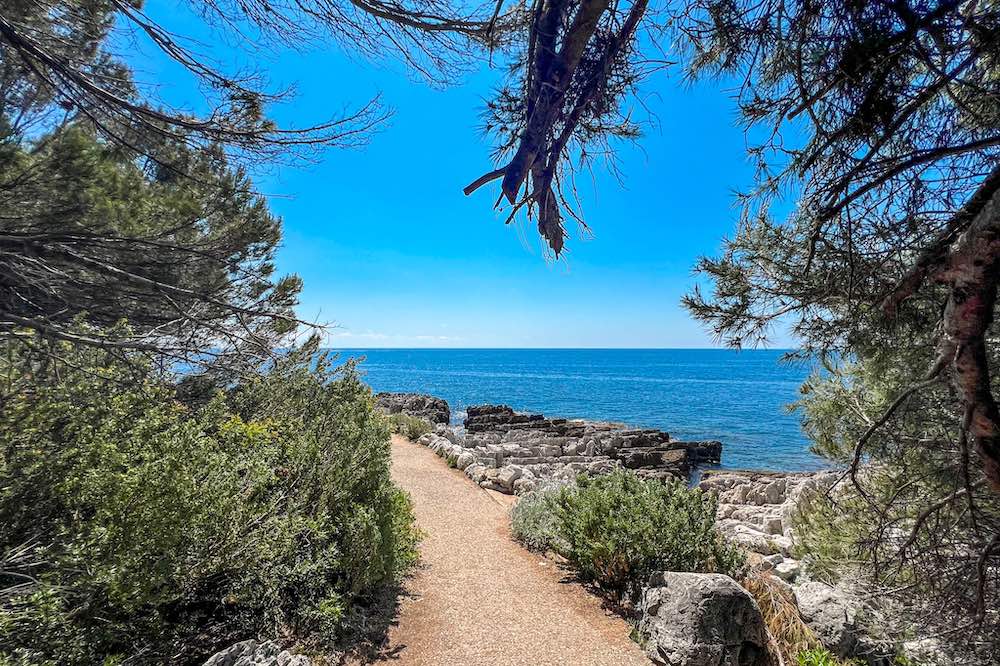
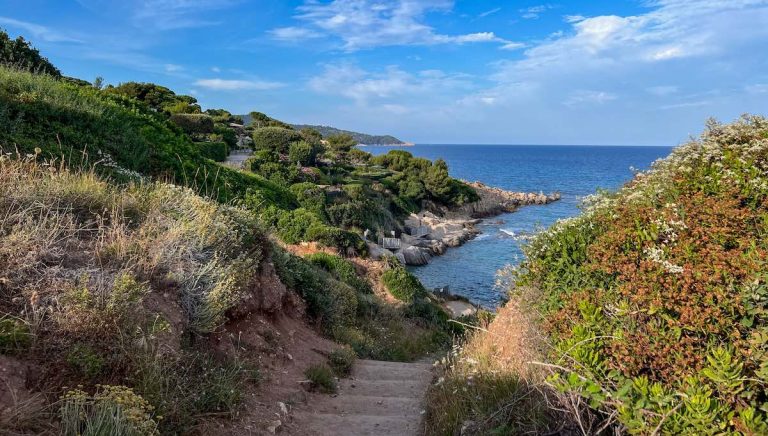
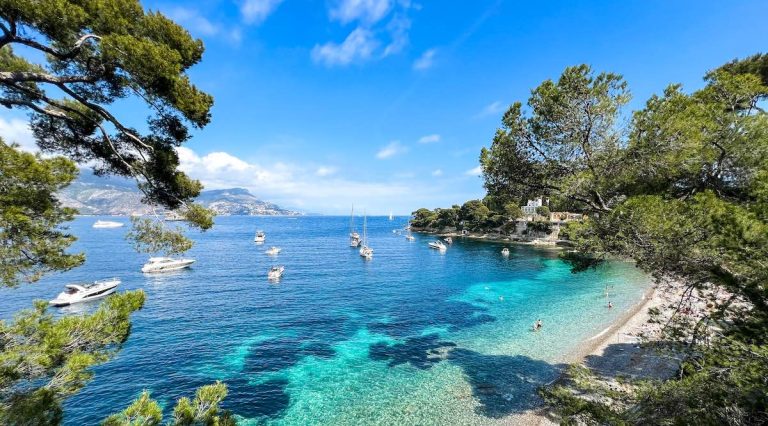
The Cap d’Antibes coastal path is one of the most scenic coastal walks on the French Riviera, part of the larger Sentier du Littoral network. This rugged trail hugs the rocky shoreline, winding past pine trees, hidden coves, and the clearest turquoise waters. It’s nicknamed the “Tire-poil” trail, referring to the “hair-pulling” wind. The path starts near Plage de la Garoupe and takes about 1.5 to 2 hours to complete at a leisurely pace. Near the end of the trail, you’ll reach the scenic Billionaires’ Bay (Baie des Milliardaires) in its postcard setting.
Along the way, you’ll pass dramatic cliffs, villas tucked behind lush gardens, and viewpoints that seem to stretch endlessly across the Mediterranean. It’s one of the best places to fully appreciate Antibes’ natural beauty. Good walking shoes are recommended, as the terrain is uneven in some sections. To swim in Billionaires’ Bay, you’ll also need water shoes to protect your feet from the sharp-edged pebbles
11. Visit Villa Eilenroc

Set at the tip of Cap d’Antibes, Villa Eilenroc is one of the French Riviera’s most romantic estates. It was built in the 1860s by a Dutch governor of the Indies for his wife, Cornelie (hence the name of the villa, which is Cornelie spelled backwards). Much to her husband’s regret, she was unimpressed by the remote location, leading her to abandon both the villa… and her marriage. The mansion was rediscovered by the American Beaumont family in the 1920s and lavishly decorated with chandeliers and silver-leaf ceilings.
The gardens, gifted along with the villa to the city of Antibes, are a fragrant delight of roses, olive trees, and citrus groves spread across 11 hectares. Today, the estate is open to visitors on Saturdays (10 am–5 pm), and in summer, you can enjoy a tea service in the garden. Whether you come for the elegant salons or the tranquil grounds, Villa Eilenroc is one of Antibes’ most enchanting treasures. If you enjoy historic estates and botanical gardens, you’ll find several more recommendations in my French Riviera gardens guide.
12. Take in the views from the lighthouse
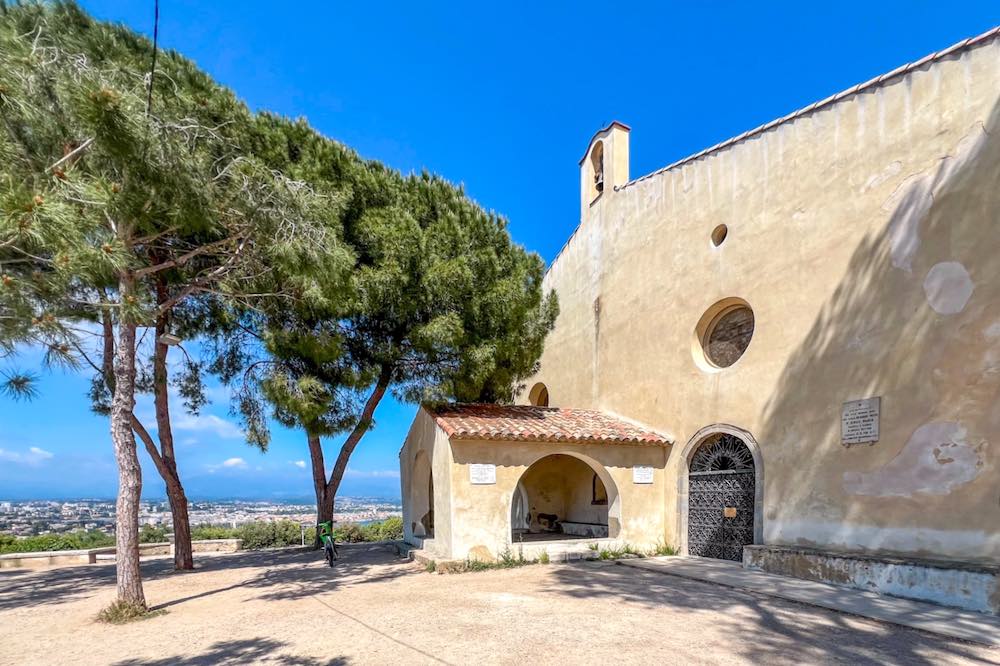
Perched high on Cap d’Antibes, the Phare de la Garoupe is one of the most powerful lighthouses on the Mediterranean coast. Its beam once guided sailors as far as 60 kilometers away. Today, it’s better known for its sweeping views of the Côte d’Azur, from Nice and the Alps to Cap Camarat in Saint-Tropez.
The lighthouse stands next to a small chapel, the Chapelle de la Garoupe, adorned with sailors’ votive offerings. The surrounding grounds are peaceful, making it a popular stop for those driving or hiking around the cape. Even though the lighthouse itself is not always open to visitors, the panoramic setting is reason enough to make the climb to the Garoupe Plateau, Antibes’ hidden gem, and one of the best viewpoints on the French Riviera.
13. Explore the local food scene

Antibes is a foodie’s delight, with everything from Provençal markets to Michelin-starred dining.
I’ve had an amazing dinner at Nananère, which happened to be situated right under the apartment we were staying at on the convivial Place des Martyrs de la Résistance. Oh, and I love the comfort food and casual vibe at Le P’tit Cageot, tucked away in a cozy little street. For a special night out, there’s Le Figuier de Saint-Esprit (1 Michelin star), which offers a refined gastronomic experience in a charming stone patio shaded by a fig tree.
For a nightcap in a truly unique setting, head to the Absinthe Bar in the Old Town. Hidden in a vaulted 9th-century cellar, it’s part museum, part piano bar, and part time capsule of Antibes’ bohemian past. Try an absinthe the traditional way, with sugar and water, or simply enjoy the lively atmosphere with live music on weekends.
14. Experience Antibes from the water
While the coastal paths and beaches are beautiful, some of Antibes’ most spectacular scenery is best appreciated from the sea. Whether you prefer an active adventure or a relaxing outing, there are plenty of ways to explore the coastline beyond the shore. Guided kayak excursions around Cap d’Antibes paddle past hidden coves, rugged cliffs, and crystal-clear water, while stand-up paddleboarding offers a gentler way to discover secluded corners of the peninsula at your own pace.
For a more laid-back experience, consider heading out on a sunset cruise in the Bay of Juan-les-Pins. As the sun sinks towards the horizon, the coastline is bathed in warm golden light, revealing a different side of the French Riviera. From snorkeling stops and paddle sessions to evening catamaran cruises, getting out on the water is one of the most memorable things to do in Antibes.
15. Discover Juan-les-Pins
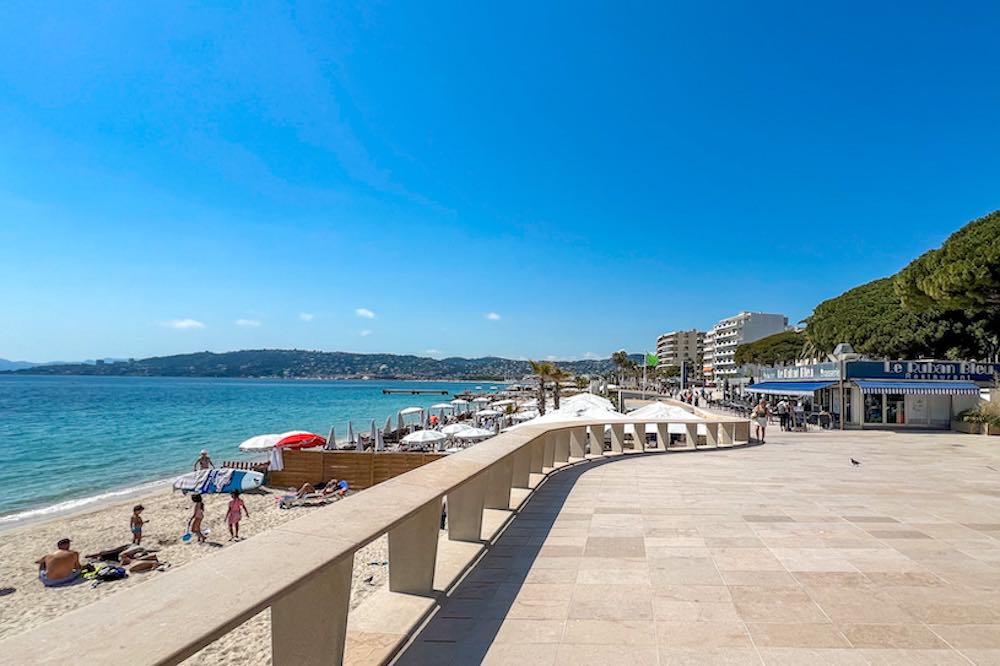
Linked to Antibes but with its own flair, Juan-les-Pins is a beach resort famous for palm-lined boulevards, sandy beaches, and a lively nightlife. An American investor transformed this destination in the 1920s by establishing a casino and grand hotel. Soon, the international jet set flocked to the Juan-les-Pins shoreline.
In summer, the Jazz à Juan festival draws world-class musicians to the leafy Parc de la Pinède, continuing a legacy that dates back to the 1960s. Beyond the music, you’ll find elegant hotels like the legendary Hôtel Belles Rives, chic beach clubs, and a relaxed holiday atmosphere.
Map of things to do in Antibes
For your convenience, I have created this map to help you visualize the must-see attractions in Antibes.
Practical tips for visiting Antibes
Beyond its beaches and cultural highlights, Antibes is a very walkable town that combines French Riviera charm with a relaxed pace of life. Whether you’re coming on a quick day trip from Nice or staying a few nights to soak up the atmosphere, here are some travel tips for a carefree visit.
How to get around Antibes
Most of Antibes’ attractions are within or around the Old Town, so walking is the easiest and most enjoyable way to get around. The ramparts, museums, markets, and city beaches are all just steps apart.
To reach the Cap d’Antibes and its Plage de la Garoupe, you can hop on the local Envibus line 2 or simply rent a bike or e-bike for more flexibility. A more pleasant option is to opt for the panoramic hop-on, hop-off bus.
Juan-les-Pins is a 30-minute walk. You can also take the local Envibus lines 30 and 31, or go for the charming option by taking The Little Train (Le Petit Train) for a hop-on, hop-off service.


If you’re staying longer and want to explore nearby villages, trains and buses connect Antibes well with the rest of the Riviera.
Where to stay in Antibes
If you’re tempted to linger longer in this Riviera gem, you’ll find everything from boutique hotels tucked inside the Old Town walls to beach resorts in Juan-les-Pins and elegant villas on Cap d’Antibes.
My in-depth article on where to stay in Antibes explores every neighborhood and highlights the best hotels and vacation rentals for a relaxing visit. Here are some of my favorite options.
FAQ about visiting Antibes
When are you planning to visit Antibes?
That’s it for this detailed guide on the best things to do in Antibes. Whether you visit on a day trip from Nice or make it a longer stay, this Mediterranean beauty is sure to make a lasting impression. Bon voyage!
Bookmark this page or pin it for future reference.