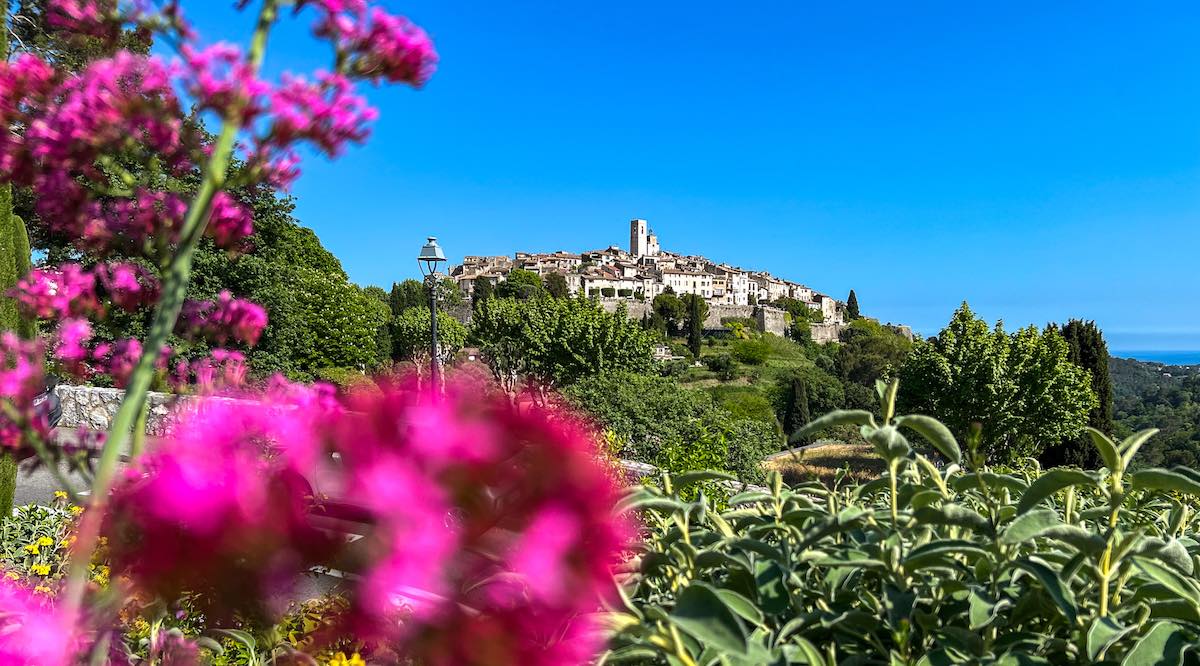
Looking for the best things to do in Saint-Paul de Vence? Perched on a hill between Nice and the hinterland villages of the Alpes-Maritimes, this medieval village is compact, atmospheric, and incredibly dense in history, art, and character.
Saint-Paul de Vence is one of those villages I keep coming back to. Over the years, I’ve visited in different seasons, at different times of day, sometimes just passing through, other times lingering for hours.
In this guide, I’ll walk you through the best things to do in Saint-Paul de Vence, combining the essential highlights with quieter corners and deeper context gathered from years of visits.
So, are you ready to discover the best things to do in Saint-Paul de Vence? Let’s go!
This in-depth travel guide explores the best things to do in Saint-Paul de Vence, from historic ramparts and art foundations to quiet corners beyond the main lanes. It highlights the village’s artistic heritage while helping you plan your visit with practical tips and local context.
Affiliate links are sprinkled throughout the site content. Clicking on such a hyperlink and making a booking on the accommodation platform it refers to may result in a commission for Nice & Beyond at no additional cost to you. For more information, visit the Disclaimer page.
Planning more than a day trip?
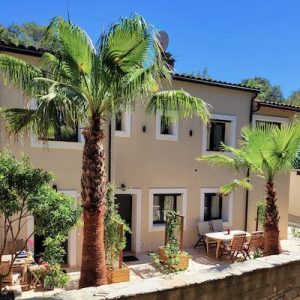
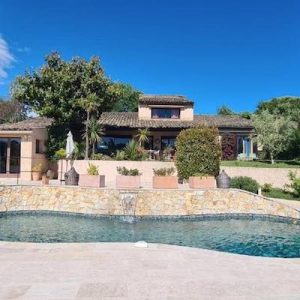
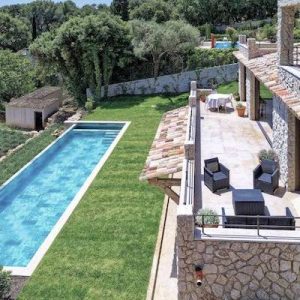
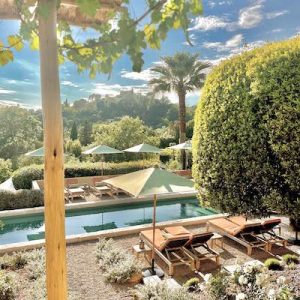
Here’s where to stay in Saint-Paul de Vence
My Top Picks
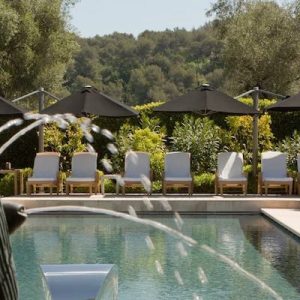
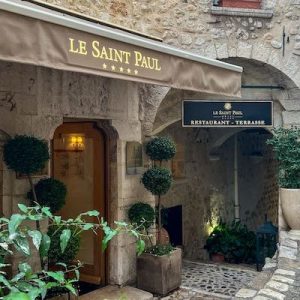
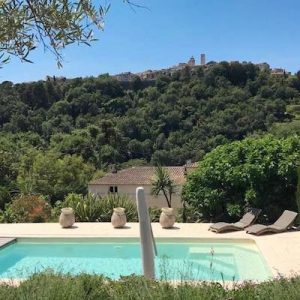
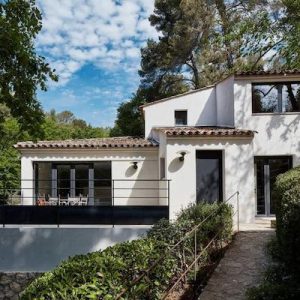

Top things to do in Saint-Paul de Vence
Saint-Paul de Vence has evolved from a fortified hilltop settlement into one of the most unique cultural villages on the French Riviera.
First occupied in Antiquity as a defensive oppidum, it later became a strategic border stronghold between Provence and the County of Savoy. The bastioned ramparts commissioned by François I in the 16th century still define the village today, but its identity shifted in the 20th century when painters, writers, and filmmakers turned Saint-Paul de Vence into a living hub of modern art and creativity.
Despite its fame, the atmosphere remains surprisingly intimate: narrow stone lanes, hidden courtyards, and views over vineyards constantly remind you that this was once a defensive stronghold rather than a purpose-built tourist town.
Planning how to reach the village first? My detailed guide on how to get to Saint-Paul de Vence explains the easiest routes from Nice, parking tips, and how to combine the visit with nearby destinations along the French Riviera.
Before you start exploring, keep in mind that opening hours can vary between galleries, chapels, and museums, and that the village becomes noticeably busier around midday, especially in spring and summer. Arriving earlier in the morning or later in the afternoon usually creates a much calmer experience.
If you’re still mapping out your itinerary, this Saint-Paul de Vence travel guide brings together practical travel tips, a (half-)day trip itinerary, and advice on how to combine your half-day visit.
Here’s my Saint-Paul de Vence Village bucket list.
Psst… Further down in this article, you’ll find a map that shows all the things to do in Saint-Paul de Vence.
1. Start at Place du Jeu de Boules
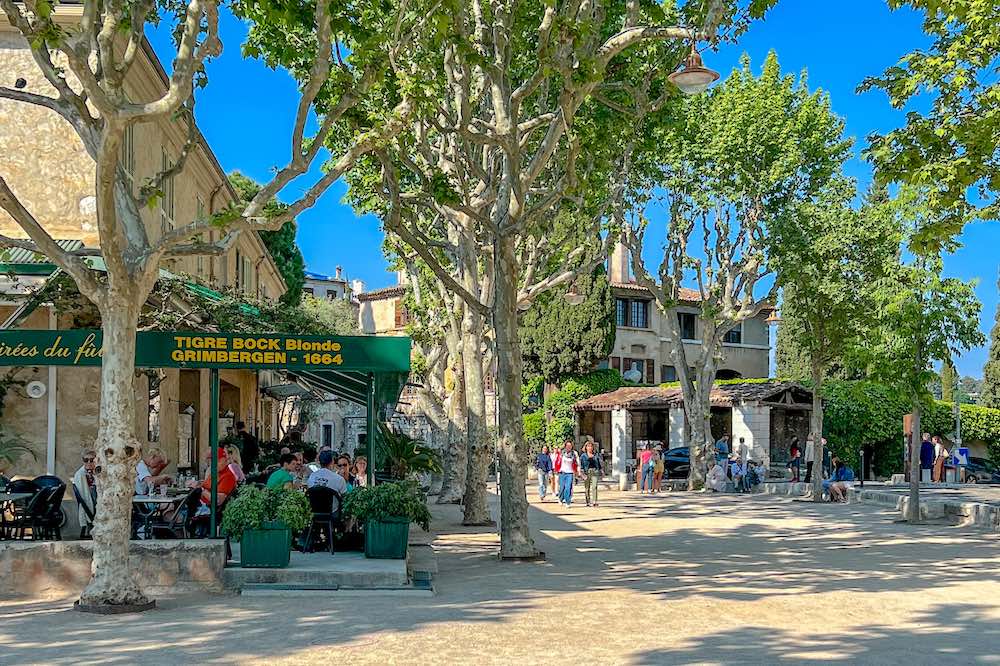
Place du Général de Gaulle is the social heart of the village, shaded by centuries-old plane trees where locals still gather to play pétanque and chat in the late afternoon, hence its alternative name Place du Jeu de Boules. It’s one of the rare spots that still feels authentically lived-in despite Saint-Paul de Vence’s international reputation.
The square is also lined by the legendary Auberge de la Colombe d’Or, whose terrace has welcomed artists like Picasso, Chagall, and Matisse. Even if you don’t dine or stay here, pausing on this square helps you understand how art and daily life have always blended in Saint-Paul.
2. Walk through the entrance gate and along the ramparts
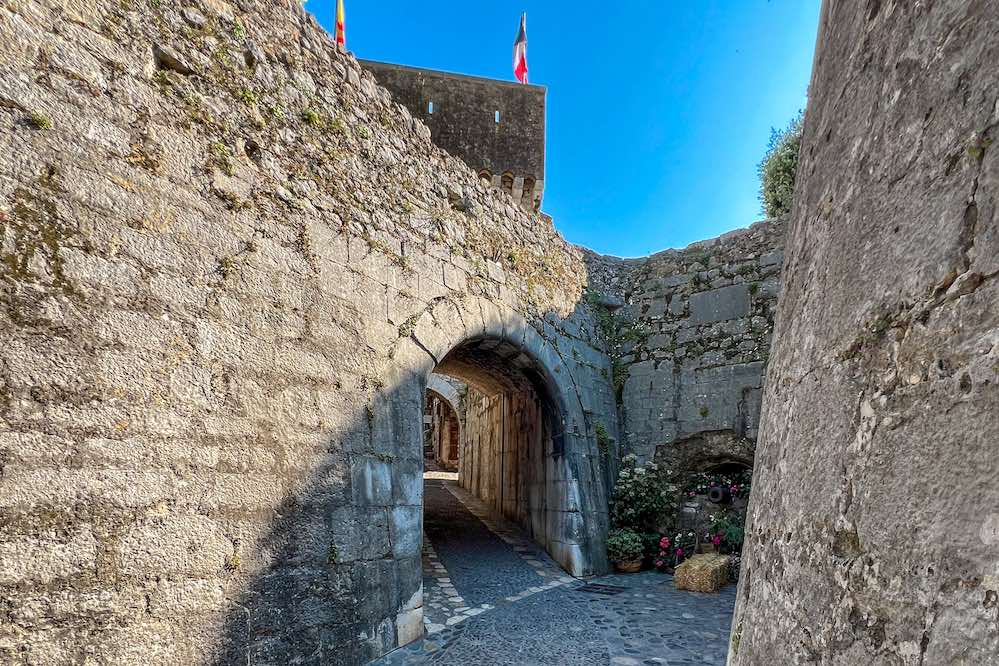
Your visit naturally begins at the main entrance gate. The ramparts largely date from the 16th century and remain remarkably intact. The tower that protects the entrance, the Porte de Vence, is a vestige of earlier defenses and dates back to the second half of the 14th century.
It’s one of the first walks I recommend doing, especially if the main street feels crowded. Allow around 20–30 minutes for a relaxed circuit overlooking vineyards and countryside with photo stops.
3. Wander Rue Grande and the village alleyways
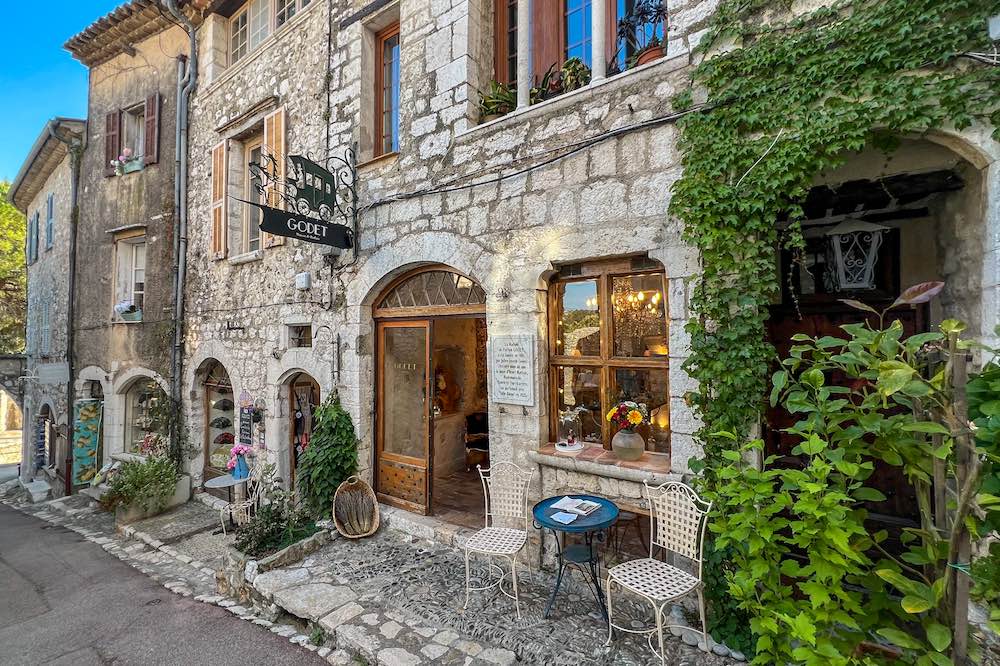
Rue Grande forms the main spine of Saint-Paul de Vence, running from the Porte de Vence to the Porte de Nice. It’s lined with contemporary art galleries, small boutiques, and stone houses covered in flowers, giving the village its instantly recognisable atmosphere.
Step into the side streets whenever possible. Narrow passages, arches, and staircases reveal quieter corners filled with sculptural details and unexpected viewpoints. Don’t hesitate to enter the galleries and shops. I especially recommend La Maison Godet, the exclusive perfume house, and Revolvair Éventails for its handmade fans and located right next door.
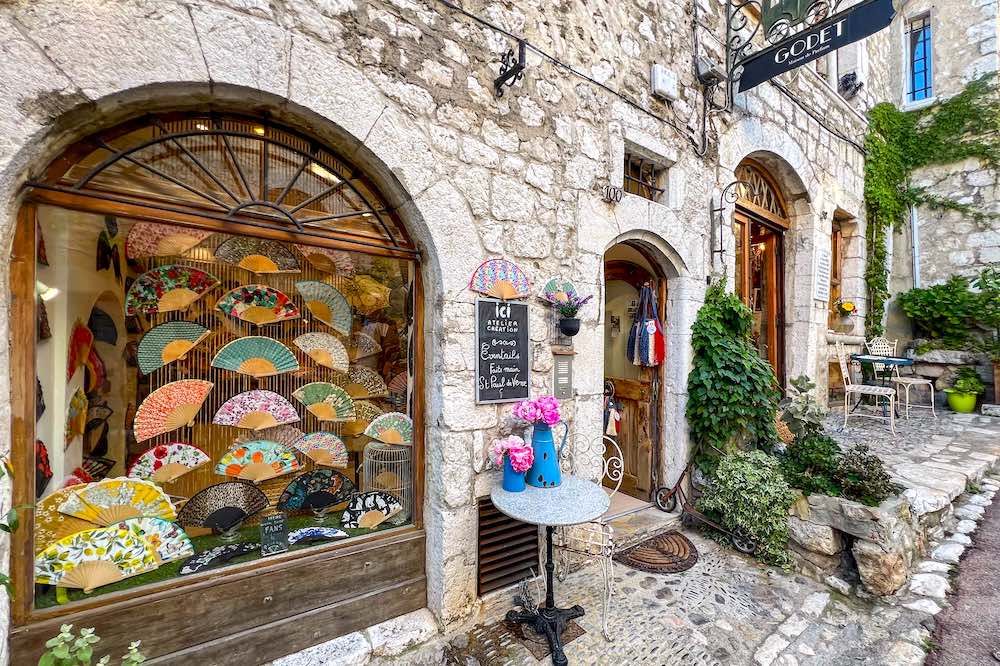
Tip: Just outside the ramparts, near the village entrance, you’ll find two more shops to browse for souvenirs: La Boutique de Léa is dedicated to table cloths, aprons, and house linen, while the shop next door is one of the best places around to pick up a stylish summer hat for the Mediterranean sun.
4. Admire Place de la Grande Fontaine
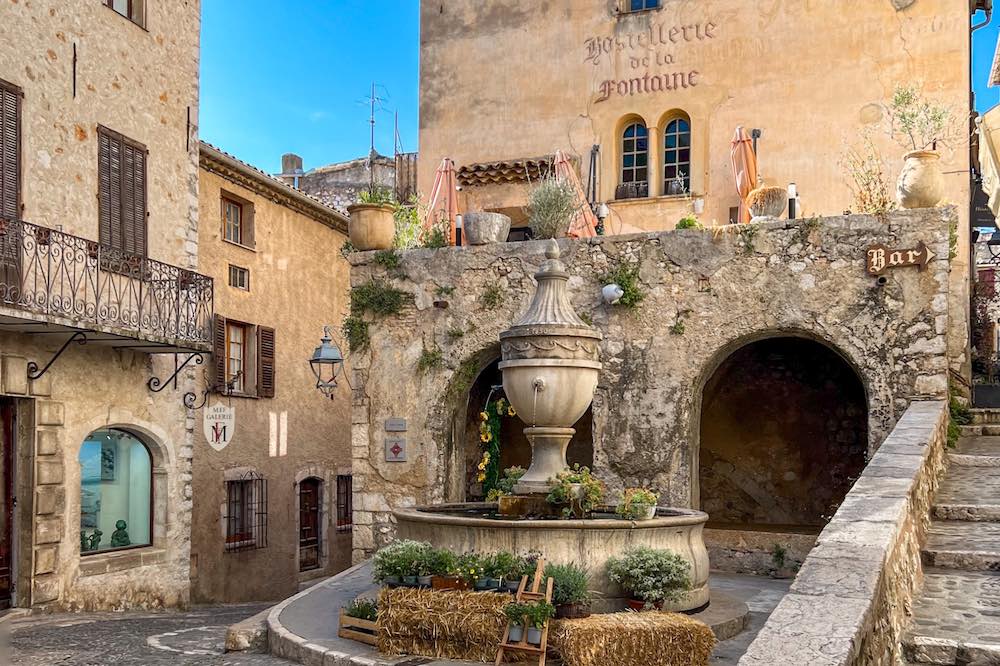
Place de la Grande Fontaine is easy to overlook, yet it contains one of the most artistic surfaces in the village. The ground is paved in calade, a traditional Provençal technique using small stones arranged in decorative patterns.
Rather than a grand monument, the beauty here lies in subtle craftsmanship. Slow down for a moment, and you’ll notice how even everyday spaces in Saint-Paul de Vence are treated as works of art.
5. Reach the highest point at Place de l’Église
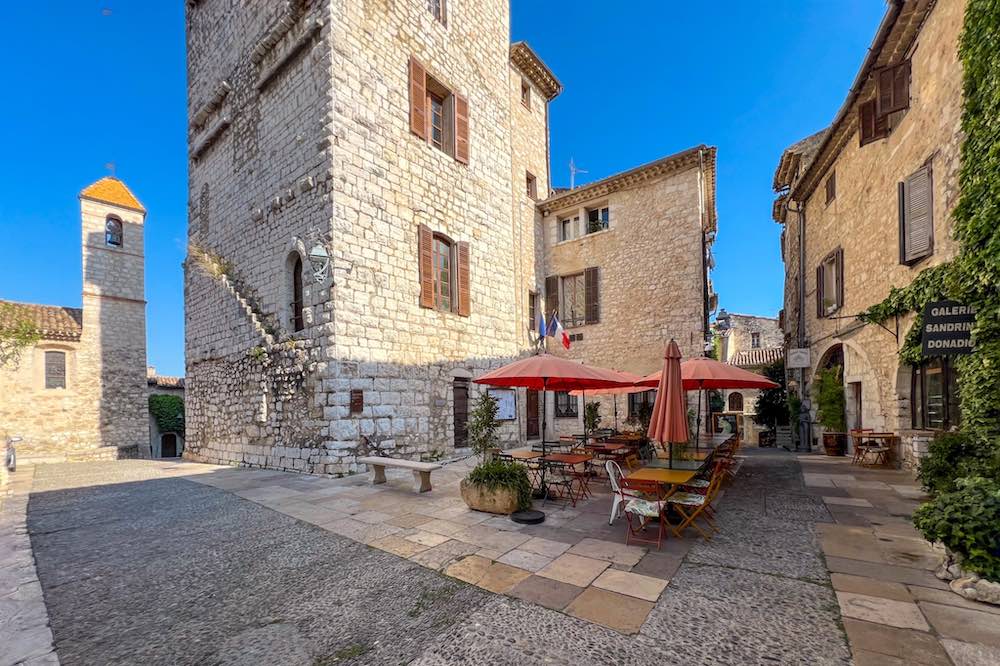
Place de l’Église sits at the highest point inside the ramparts and gathers several historic landmarks in one space. Here you’ll find the former château keep — now the town hall — alongside the church and the Folon Chapel.
Compared to the busier lower streets, this square often feels quieter and more contemplative. It’s a good place to pause before continuing your walk through the village.
6. Visit the Collegiate Church of Saint-Paul de Vence
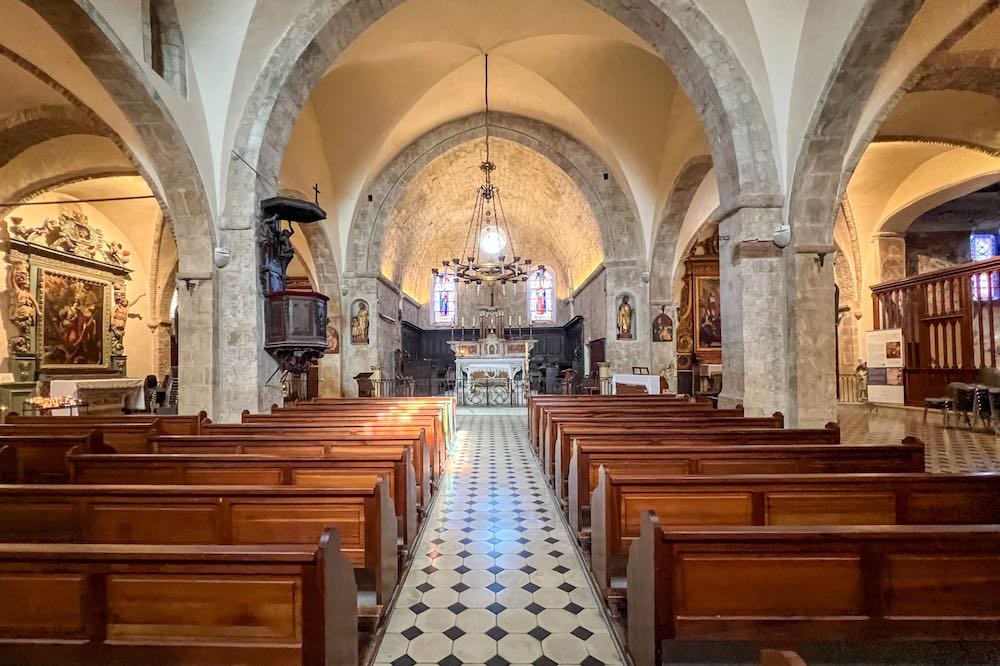
The Collegiate Church reflects the village’s Baroque renewal during the 17th century, when Saint-Paul experienced a strong religious and artistic revival. Its modest exterior hides a richly decorated interior with altarpieces and historic furnishings.
Entry is free, making it an easy cultural stop while exploring the village.
7. See the Chapelle des Pénitents Blancs (Folon Chapel)
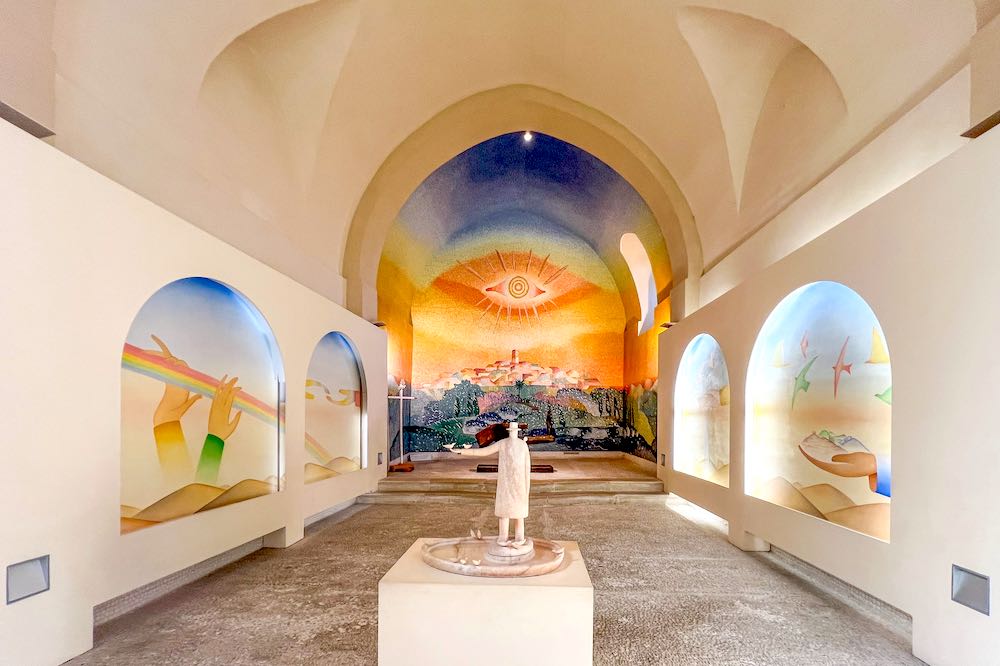
This small 17th-century chapel was restored in the early 2000s and decorated by Belgian artist Jean-Michel Folon, who spent his final years in the south of France. The contemporary artwork blends surprisingly well with the historic structure.
Inside, soft light and poetic imagery create an intimate atmosphere. The mosaic depicting the village is especially striking. This is one of my favorite stops in Saint-Paul de Vence.
8. See the house of Jacques Prévert (La Miette)
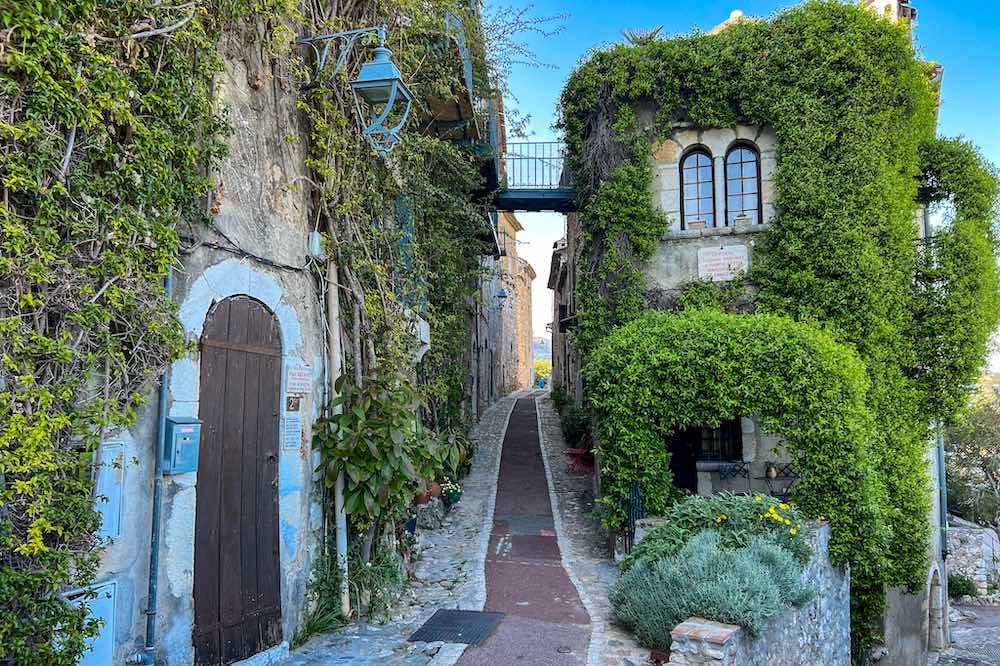
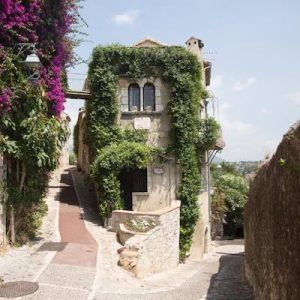
Hidden within the village streets, La Miette is the former home of poet Jacques Prévert, whose presence attracted writers and filmmakers during Saint-Paul’s cultural golden age. Its flower-covered façade has become one of the most photographed spots in town.
It’s a reminder of how deeply literary history is woven into the village’s identity. What makes it even more unique is that you can actually spend the night here. Have a look inside or check for availability through this link.
9. Spot art everywhere
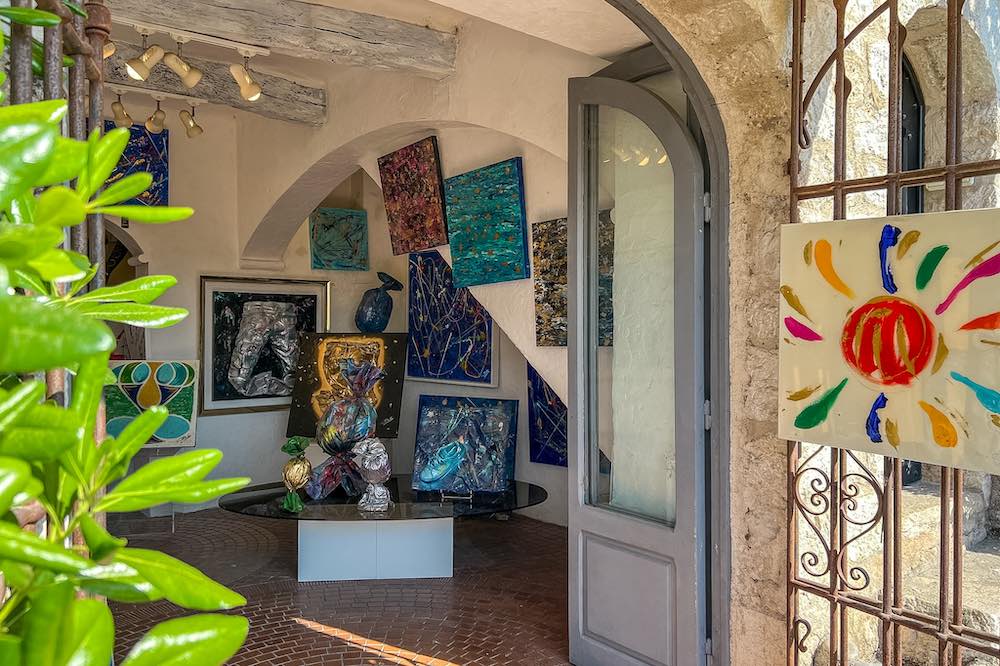
One of the joys of Saint-Paul de Vence is discovering art outside traditional galleries. Painted letterboxes, small sculptures, decorative water fountains, and mosaics appear throughout the village, often hidden in plain sight.
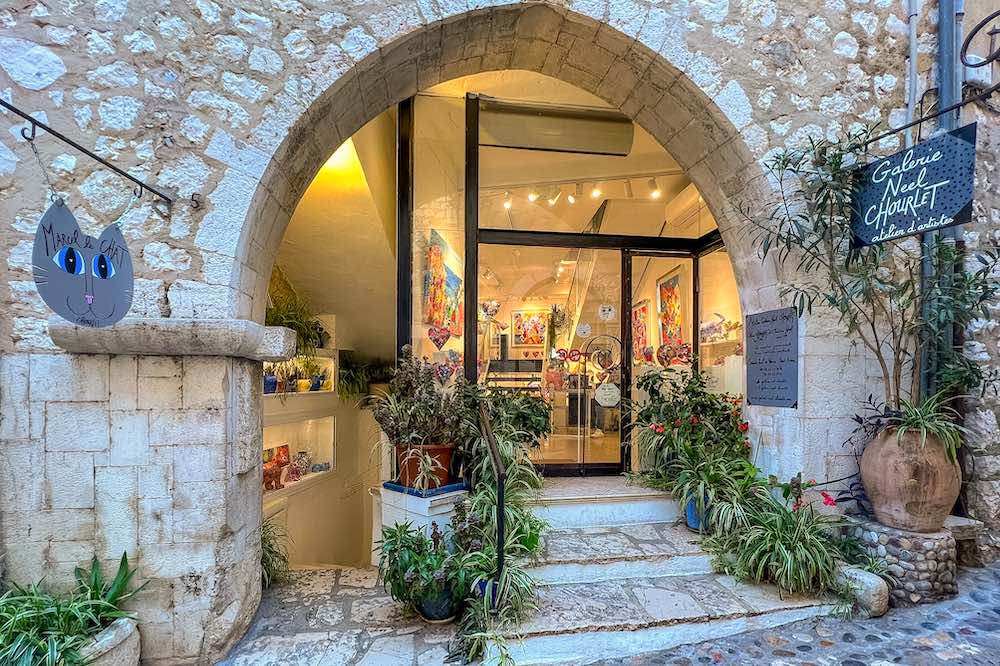
Keeping an eye out for these details turns a simple walk into a treasure hunt; it’s one of our favorite things to do in Saint-Paul de Vence with kids. The Tourist Office presents even more family-friendly activities, such as a self-guided scavenger hunt, an escape game, and a virtual tour.
10. Visit the cemetery and Marc Chagall’s tomb
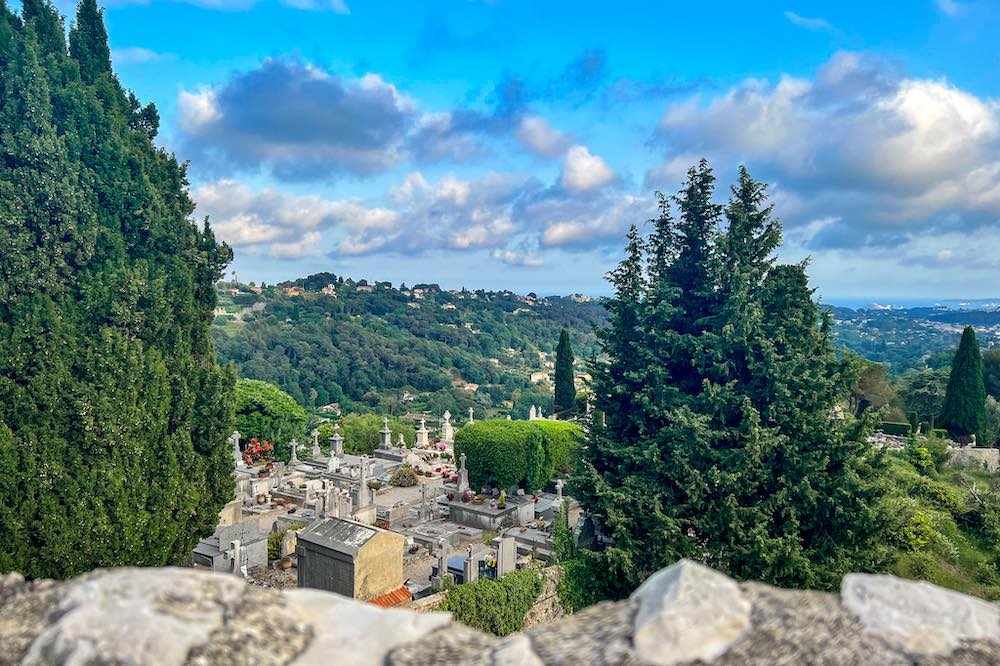
Just beyond the ramparts lies the peaceful cemetery of Saint-Paul de Vence, shaded by ancient cypress trees. It’s the final resting place of Marc Chagall, who lived here for nearly two decades with his wife Vava.
Despite its fame, the atmosphere remains quiet and respectful, in harmony with the surrounding landscape.
11. Visit Fondation Maeght
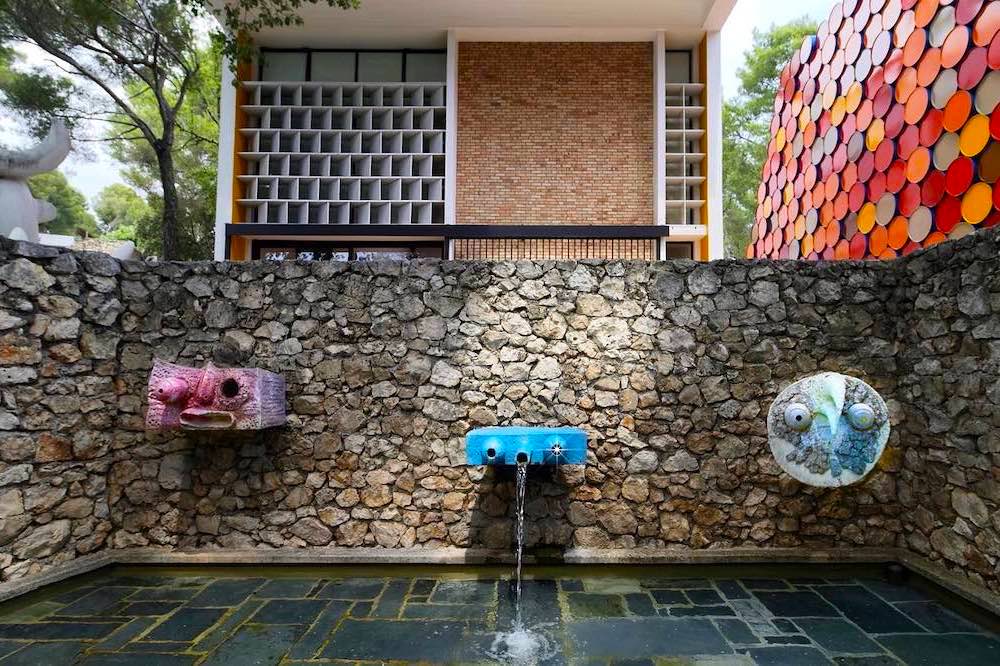
Located just outside the village walls, Fondation Maeght is one of the most important modern art institutions in southern France. Created by art dealers Aimé and Marguerite Maeght, it was conceived from the start as a place where architecture, landscape, and art would interact.
Designed by Catalan architect Josep Lluís Sert, the experience unfolds as much outdoors as indoors. Highlights include the Giacometti courtyard, Miró’s labyrinth dotted with sculptures and ceramics, mosaics by Chagall, and stained glass by Braque. Even if you only have time for one museum, this is the one I’d recommend extending your day for. A visit typically takes around 1.5 to 2 hours.
12. Discover Fondation CAB Saint-Paul de Vence
Fondation CAB focuses on minimalist and conceptual art inside a renovated 1950s building redesigned by architect Charles Zana. I’ll be honest: this isn’t a stop for everyone. The exhibitions are deliberately minimal, which will speak to visitors who already enjoy conceptual art, but if you’re expecting a more traditional museum, it can feel quite restrained.
I personally love seeing art in a natural setting because it changes how you experience it, and the sculpture garden is where Fondation CAB really works for me. Most visits take around 45 minutes to one hour. There’s also an inviting patio serving lunch, and true fans will appreciate the opportunity to spend the night at Fondation CAB. You can book your stay through this link.
13. Explore the Arik Levy Sculpture Park
The Arik Levy Sculpture Park showcases large geometric works set within a natural landscape dotted with cypresses and citrus trees just outside Saint-Paul de Vence. The pieces feel almost architectural, echoing the shapes of the surrounding hills.
Depending on availability, studio visits may be possible, offering a rare glimpse into the creative process behind the sculptures. It’s a rewarding stop for visitors interested in contemporary art beyond traditional galleries. You can request your visit here.
14. Walk the Henri Layet discovery trail
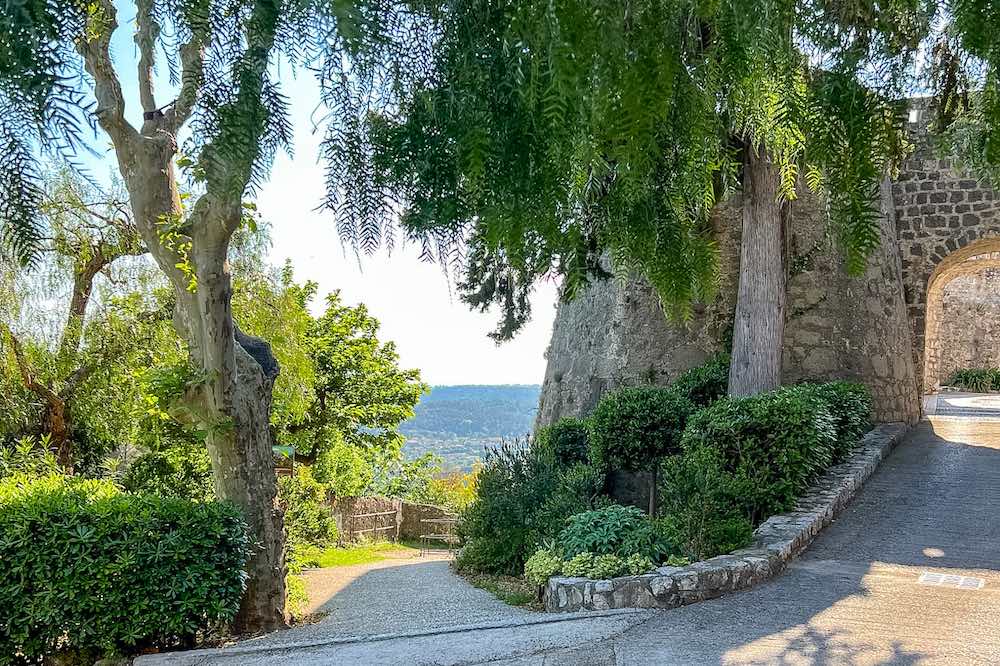
Running between the ramparts and the surrounding countryside, the Henri Layet trail introduces visitors to Mediterranean plants and aromatic species that once defined the local landscape and offers a glimpse into the village’s military past. Informational panels explain both natural and historical features along the way.
The walk is easy and peaceful, making it a great way to step away from the busier streets while still staying close to the village.
15. Take the short walk to Chapelle Saint-Claude
A marked path beginning at the northern exit of Saint-Paul de Vence leads to Chapelle Saint-Claude in roughly 5-10 minutes. The small 17th-century chapel sits among pine trees and vineyards, offering a completely different atmosphere from the historic centre.
Wear suitable shoes, especially during warmer months, as the terrain can be uneven. The reward is a quiet moment in nature away from the crowds.
16. Join a guided tour (or virtual tour)
The Tourist Office offers affordable guided tours – both public and private – that reveal hidden stories behind the art, architecture, and history of Saint-Paul de Vence. These tours help connect small details that are easy to miss on a self-guided walk.
There’s also a virtual tour designed especially for families and curious visitors, making the village’s history more accessible in a playful way.
17. Try pétanque like a local
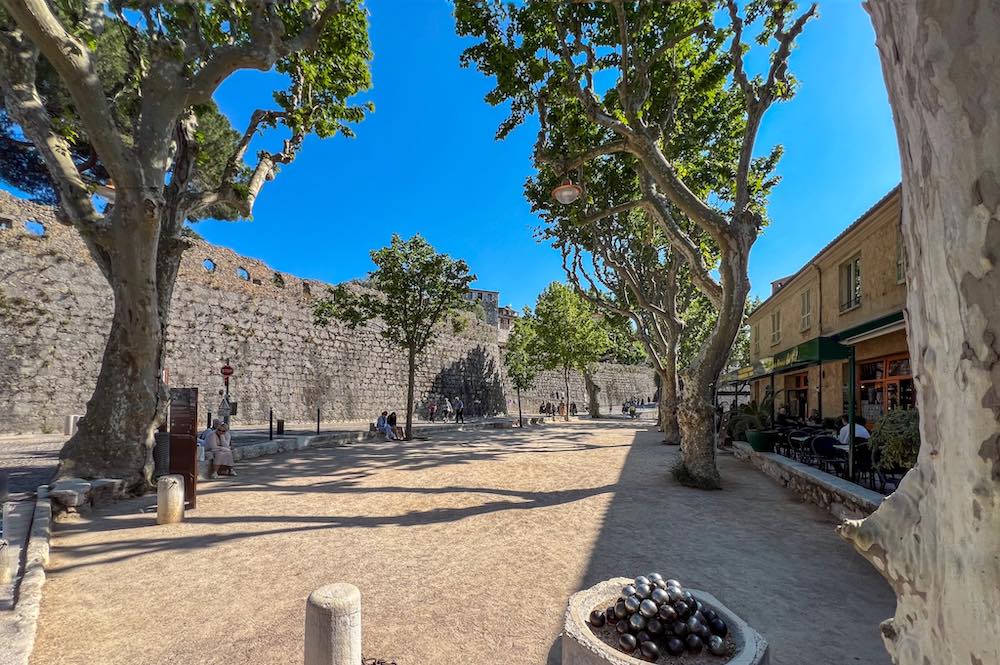
Pétanque is part of daily life in Saint-Paul de Vence, especially around Place de Gaulle. The Tourist Office offers beginner sessions as well as boule rentals, making it easy to join in even if you’ve never played before.
It’s a relaxed and social activity, perfect before dinner or during a slower afternoon in the village, and it’s also open to families looking for a fun cultural experience.
18. Visit the Provençal food market
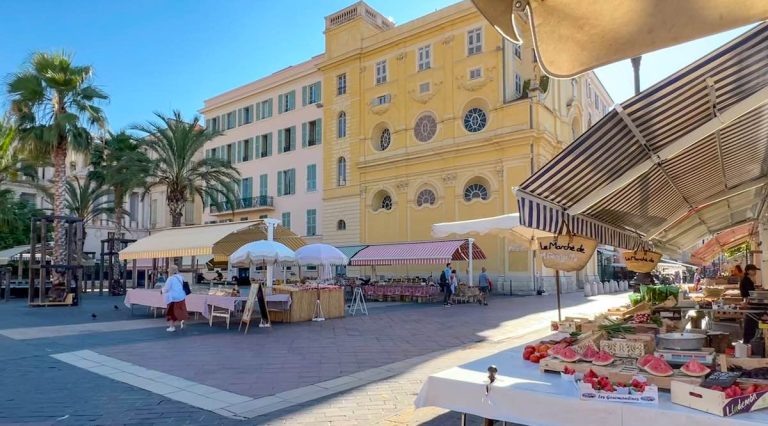
On Wednesday and Friday mornings, Place de Gaulle hosts a small but atmospheric Provençal food market. Stalls sell fresh fruit and vegetables, cheeses, charcuterie, honey, and artisanal jams from local producers.
The market adds a lively local touch to the village and is a great opportunity to pick up picnic supplies or edible souvenirs. It may not be the largest market on the Côte d’Azur, but it’s one of my favorite smaller French Riviera markets.
19. Relax at the Domaine du Mas de Pierre spa
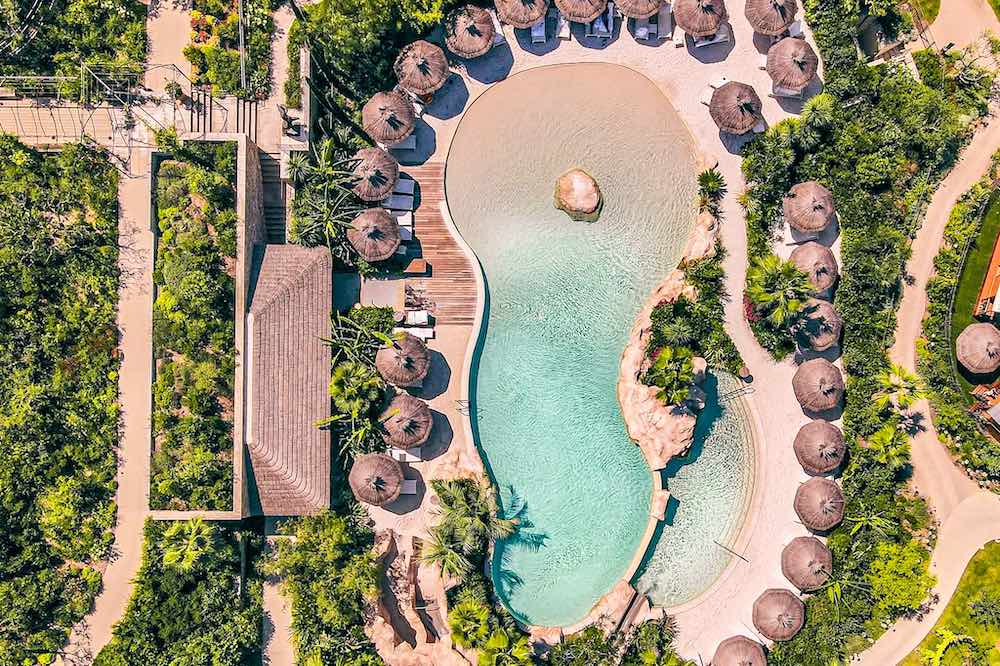
Just outside Saint-Paul de Vence, the Domaine du Mas de Pierre features a recently renovated 2,000 m² spa within a Relais & Châteaux property. It offers a calm contrast to the lively streets of the village.
Even if you’re not staying overnight, visiting the spa can be a rewarding way to slow down after a morning of exploring or before continuing your journey through the French Riviera. Discover the hotel and its beautiful setting through this link.
20. Linger for lunch or dinner in Saint-Paul de Vence
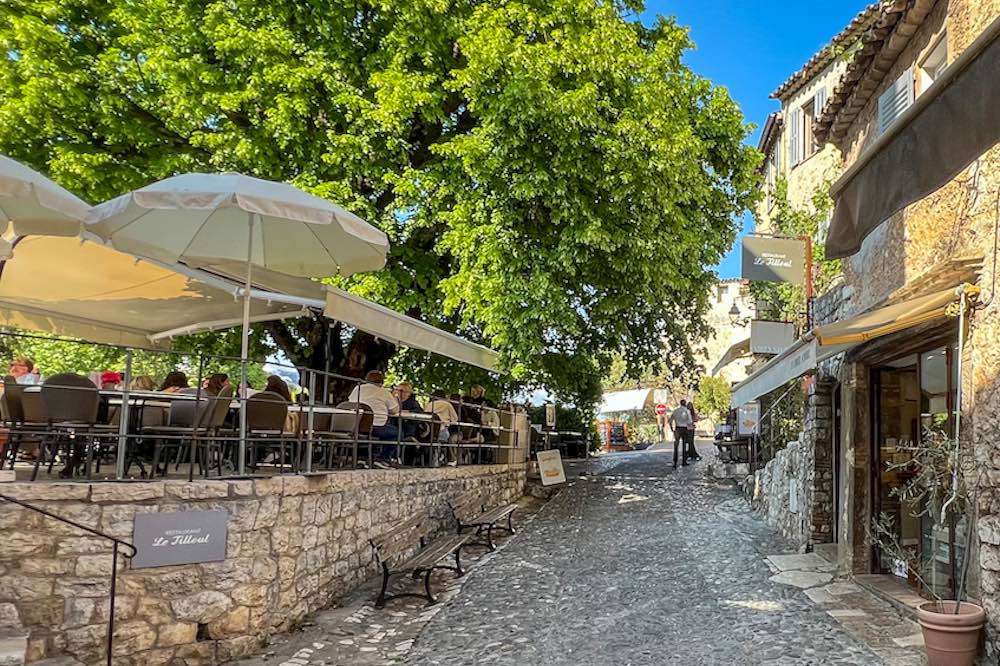
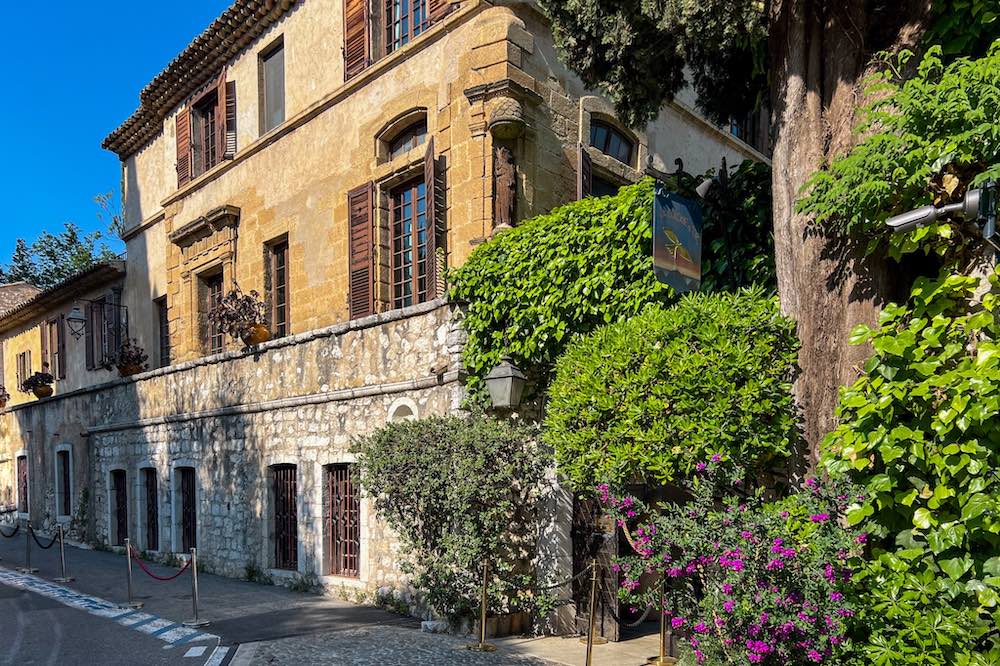
Saint-Paul de Vence has several restaurants inside the ramparts, but La Colombe d’Or is the most iconic. Opened as an auberge in 1932, it became a gathering place for artists like Matisse, Chagall, and Picasso, whose works still hang on the walls today. That artistic heritage makes this one of the most coveted restaurants in the French Riviera. Dinner reservations are notoriously difficult to secure, especially in high season, so plan well ahead if it’s on your list. You can still spend the night at La Colombe d’Or, too.
If you’re looking for alternatives, Saint-Paul de Vence has plenty of smaller spots. Linger on the relaxed terraces of Le Moulin de Saint-Paul or Le Tilleul, opt for an organic brunch at Café Timothé, or indulge in a buckwheat pancake at Thé Artiste.
Personal tip: for one of the best panoramic views of Saint-Paul de Vence, head to the Michelin-starred Restaurant Alain Llorca in nearby La Colle-sur-Loup. It also houses a beautiful hotel. Find out more about the accommodations through this link.
Map of things to do in Saint-Paul de Vence
I created this map to help you visualize the top things to do in Saint-Paul de Vence.
Practical tips for visiting Saint-Paul de Vence
Saint-Paul de Vence isn’t just a hilltop village; it’s a place where historic streets, art spaces, and quiet countryside walks blend into one another. While the centre itself is compact and easy to explore, the experience expands naturally beyond the ramparts, which makes pacing your visit a little different from other French Riviera villages.
Most visitors explore the village in half a day. My dedicated half-day Saint-Paul de Vence itinerary shows how to connect the main highlights at a relaxed pace. The following practical tips will also help you explore Saint-Paul de Vence without feeling rushed.
How to get around Saint-Paul de Vence
The historic centre is entirely pedestrian, with cobbled lanes and a few gentle inclines. Everything inside the ramparts is within easy walking distance, from the main squares to the rampart paths and galleries along Rue Grande.
If you arrive by car or bus, expect a short walk from the parking areas outside the walls to the main entrance. Some highlights — including Fondation Maeght and Fondation CAB — are located just beyond the village and may require a 10–15 minute walk or a short drive.
Where to stay in Saint-Paul de Vence
Most travellers visit Saint-Paul de Vence as a (half-)day trip, but staying overnight offers a quieter, more atmospheric experience once the village empties in the evening. Accommodation tends to be boutique and art-focused inside the ramparts, while larger hotels and spa resorts sit just outside in the surrounding hills.
My in-depth guide on where to stay in Saint-Paul de Vence (coming soon) breaks down the best areas and hotel styles if you’re considering spending the night. Here are some top picks:
Shopping tip
If you plan to buy nougat or other products sold by weight, ask for the price per kilogram before anything is cut or packaged, and make sure you’re happy with the quantity being prepared. Reputable sellers will be transparent about the expected total cost.
If a product has already been cut, you are still under no obligation to buy it unless you have explicitly agreed to the purchase. Should the quantity or price differ substantially from what you expected, you can simply decline and walk away.
FAQ about things to do in Saint-Paul de Vence
When are you planning on visiting Saint-Paul de Vence?
Saint-Paul de Vence blends art, history, and everyday village life in a way few places on the French Riviera do. Whether you come for a relaxed stroll along the ramparts, a long Provençal lunch, or a deeper dive into its art foundations, the experience naturally unfolds at a slower pace than many nearby destinations.
If you’re building a wider French Riviera itinerary, Saint-Paul de Vence pairs easily with places like Cannes or Antibes, offering a quieter counterpoint to the coast while still feeling rich and cultural, or with other inland villages like Vence or Gourdon.
Bookmark this page or pin it for future reference.