Planning a visit to Villefranche-sur-Mer? This complete Villefranche-sur-Mer travel guide covers the main sights, beaches, places to eat and stay, and practical details to help you plan your time.
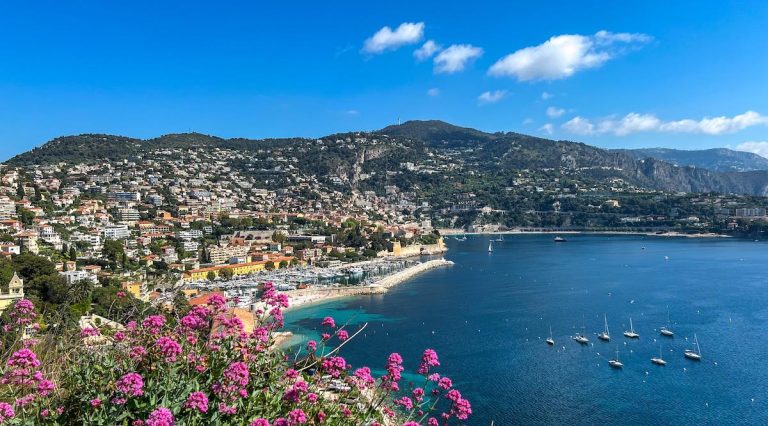
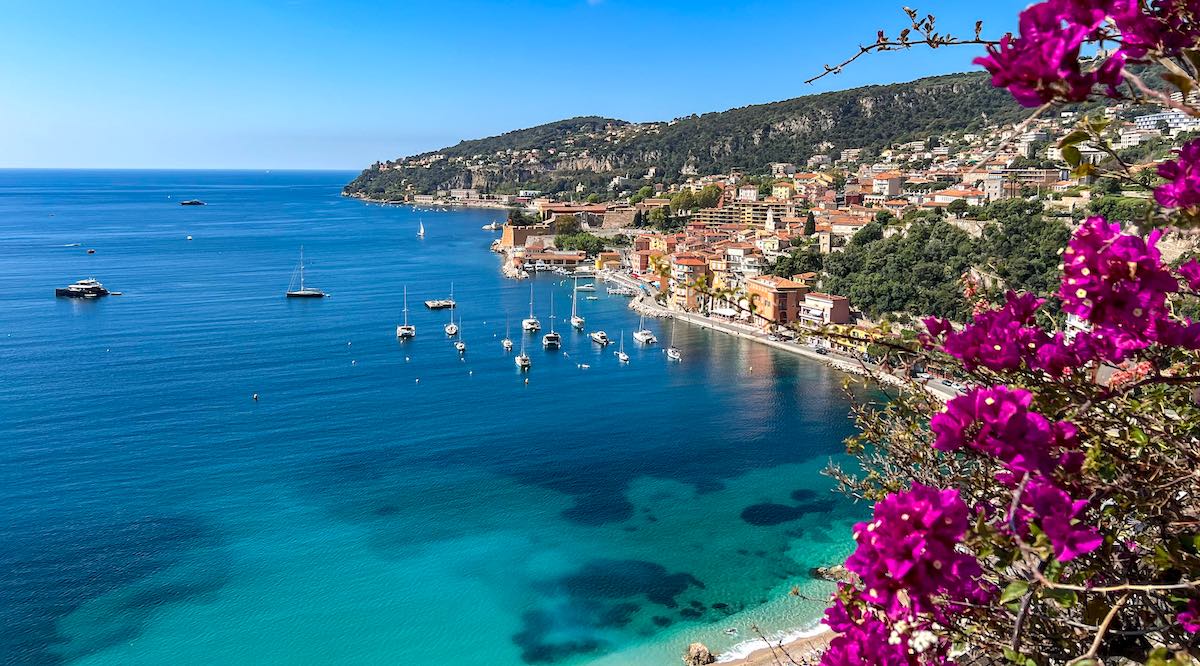
Villefranche-sur-Mer is one of the French Riviera’s most picturesque seaside towns. Its pastel-colored Old Town curves around a deep natural bay, fishing boats bob beside the waterfront terraces, and a sheltered beach lies just a short walk from the train station. Best of all, this little coastal gem is only a few minutes from Nice by train.
I’ve explored Villefranche-sur-Mer many times, including on day trips and walks along the coast, and what I love most is how easy it is to enjoy without a packed itinerary. You can wander the Old Town, discover a centuries-old covered passageway, admire the harbor, and still have time for a swim or a long lunch by the water.
In this complete Villefranche-sur-Mer travel guide, you’ll find practical advice on what to see and do, where to swim, eat, and stay, how to get there, and which nearby destinations are worth adding to your itinerary.
So, are you ready to discover Villefranche-sur-Mer? Let’s go!
This Villefranche-sur-Mer travel guide covers the town’s main sights, beaches, coastal walk, restaurants, accommodation, transport options, and practical tips for planning your visit.
Affiliate links are sprinkled throughout the site content. Clicking on such a hyperlink and making a booking on the platform it refers to may result in a commission for Nice & Beyond at no additional cost to you. For more information, visit the Disclaimer page or read how I choose what to recommend.
Villefranche-sur-Mer at a Glance
Short on time? Here’s what matters most:
⚓️ Best for
A beautiful natural bay, pastel Old Town streets, seaside dining, coastal walks, and a relaxed beach day
🚫 Not ideal for
Travelers looking for a large museum scene, extensive shopping, or a lively nightlife destination
🗓 Time needed
Half a day for the main sights; a full day if you want to add the beach and a leisurely lunch
☀️ Best time to visit
Late spring and September for a good balance of weather and crowds; summer for swimming and beach life
🚆 Car needed?
No, the train makes Villefranche-sur-Mer an easy trip from Nice, and the main sights are walkable
Is Villefranche-sur-Mer worth visiting?
Yes, especially if you enjoy picturesque harbor towns, historic streets, coastal scenery, and a slower pace of life.
The setting is a large part of the appeal. The Bay of Villefranche-sur-Mer is one of the deepest natural harbors in the Mediterranean, and the town’s colorful buildings follow the curve of the waterfront. Away from the quay, narrow lanes and stairways wind through the Old Town, where you’ll find historic landmarks and quieter corners to explore.
Villefranche-sur-Mer is also an easy change of pace from Nice. You can spend a few hours sightseeing, linger over lunch, or turn your visit into a beach day without spending much time getting there. The coastal walk from Nice is another excellent reason to visit, particularly if you enjoy combining a scenic route with a relaxed afternoon by the sea.
The main limitation is that Villefranche-sur-Mer is small. There’s enough to explore, but not the breadth of museums, shopping, restaurants, or nightlife you’ll find in Nice. That’s part of its charm, though: this is a place to slow down rather than rush through a long checklist.
How much time do you need in Villefranche-sur-Mer?
A half day is enough to explore the Old Town, see the main historic sights, and stroll along the harborfront. If you want to include a proper swim or a few hours on the beach, allow a full day.
With more time, you can walk the coastal path from Nice, explore the quieter port of La Darse, or combine Villefranche-sur-Mer with a nearby destination such as Saint-Jean-Cap-Ferrat. You don’t need to fit everything into one visit; the appeal here is as much about enjoying the setting as ticking off attractions.
An overnight stay is worth considering if you want to experience the town in the quieter hours of the morning and evening, or use it as a base for exploring this stretch of coast. If you’re deciding whether to stay here or in Nice, keep in mind that Villefranche-sur-Mer offers a more intimate atmosphere, while Nice has a much wider choice of restaurants, shops, and evening activities.
If you’re visiting from Nice for one day, my Nice to Villefranche-sur-Mer day trip guide lays out a realistic itinerary, including a half-day option.
Best things to do in Villefranche-sur-Mer
Villefranche-sur-Mer is compact enough to explore on foot, and its main attractions are close together. My guide to the best things to do in Villefranche-sur-Mer covers the town’s sights in more detail, including additional viewpoints and local experiences.
These are the experiences I’d prioritize:
1. Explore the Old Town
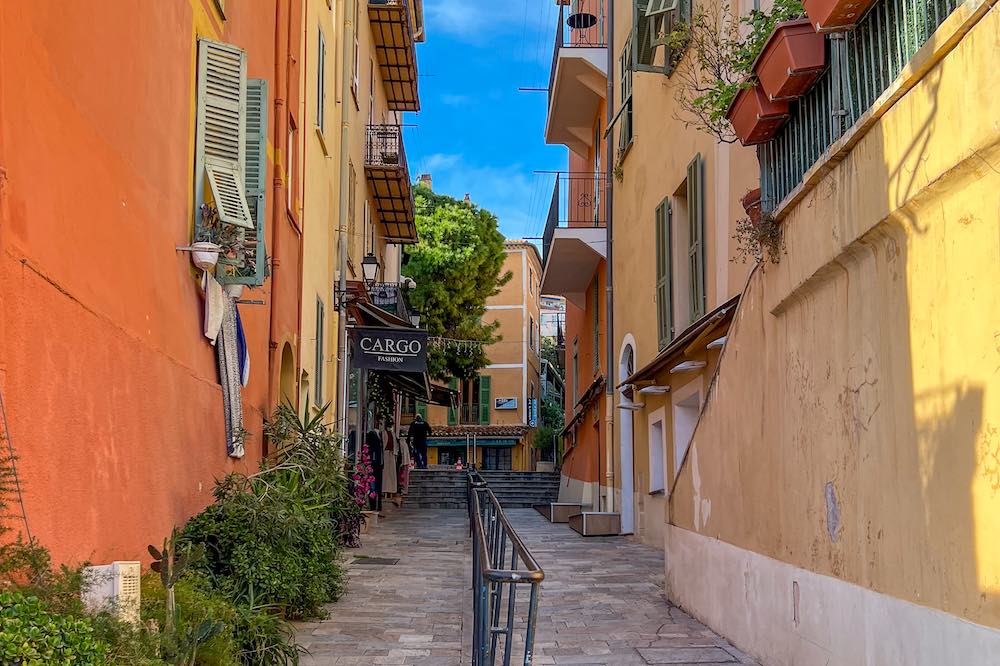
The Old Town is the heart of Villefranche-sur-Mer, with pastel façades, steep lanes, stairways, and little squares connecting the upper streets with the harbor. It’s a lovely place to wander without much of a plan, taking time to notice the details rather than hurrying from one sight to the next.
Look out for Rue Obscure, a remarkable covered passageway dating back to the medieval period that runs beneath the town’s buildings. The Église Saint-Michel, with its distinctive bell tower and historic interior, is another worthwhile stop. Down by the waterfront, the Chapelle Saint-Pierre is decorated with murals by Jean Cocteau depicting scenes connected to the lives of local fishermen.
These landmarks are close enough to weave into a leisurely walk through the Old Town, with time left for a coffee or a browse through the surrounding streets.
2. Discover the Citadel Saint-Elme
Overlooking the bay, the Citadel Saint-Elme is a 16th-century fortress that once helped defend the town and its harbor. Today, its historic walls enclose cultural spaces, exhibition areas, and gardens, making it a pleasant place to explore away from the waterfront.
Allow time to look around the courtyard and take in the views over the bay and the terracotta rooftops. The Citadel is also a useful stop if you want to add a little history and culture to an otherwise relaxed seaside visit.
3. Explore La Darse
On the western side of the bay, La Darse offers a different perspective on Villefranche-sur-Mer. This historic port has a more working-harbor feel than the main waterfront, with boats, old maritime structures, and a quieter atmosphere.
It’s worth exploring if you enjoy the town’s maritime history or want to see a less polished side of the harbor. The nearby beach is smaller and rockier than Plage des Marinières, but it can appeal to confident swimmers and snorkelers.
La Darse is also the arrival point for the scenic coastal walk from Nice, making it the natural place to pause before continuing to the Old Town.
4. Stroll Along the Waterfront
The waterfront is one of the simplest pleasures in Villefranche-sur-Mer. Walk along the quay, admire the colorful buildings reflected in the water, watch the boats come and go, and choose a terrace for a drink or a meal overlooking the bay.
Port de la Santé is particularly atmospheric when the light softens later in the day. The restaurants here benefit from the setting, although you may pay a little more for a table with a view. Even if you’re not stopping to eat, a stroll along the waterfront gives you a feel for the town’s relaxed joie de vivre.
5. Walk the Coastal Path from Nice to Villefranche-sur-Mer
If you enjoy walking, consider arriving in Villefranche-sur-Mer on foot rather than taking the train. The coastal route from Nice, part of the Sentier du Littoral network, follows the shoreline around Cap de Nice and Mont Boron, with sea views and rocky coves along the way.
The full walk from Port Lympia in Nice takes around 1.5 to 2 hours, depending on your pace and stops. The route includes some uneven ground, steps, and a short roadside section, so comfortable shoes are essential. Since there’s imited shade, I certainly recommend bringing water and sun protection in warm weather.
I’ve walked this route in different seasons, and it remains one of my favorite ways to escape the city and experience this stretch of coastline. Check conditions before setting out, as the coastal path can close when the sea is rough.
You can finish in Villefranche-sur-Mer, explore the town, and take the train or bus back to Nice. For the route, key stops, and practical advice, see my full guide to the coastal walk from Nice to Villefranche-sur-Mer.
Best beaches in Villefranche-sur-Mer
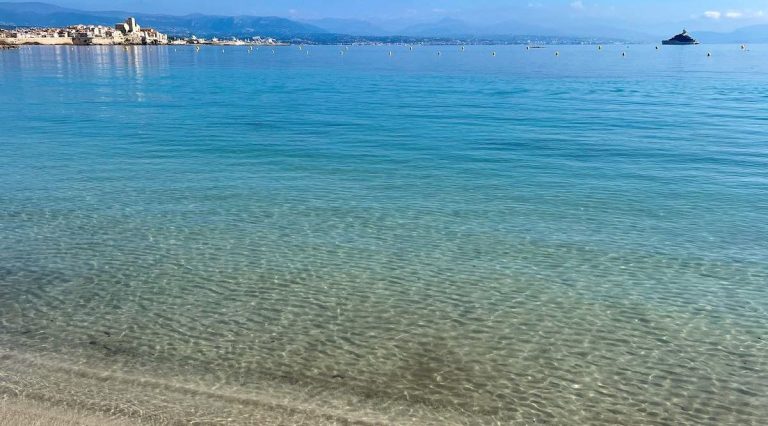
Villefranche-sur-Mer’s sheltered bay – known as la rade – makes it a lovely place for a swim, but it’s worth knowing what to expect from the beaches. They are generally pebbly or gravelly, although some have a sandy waterline that makes getting into the sea more comfortable.
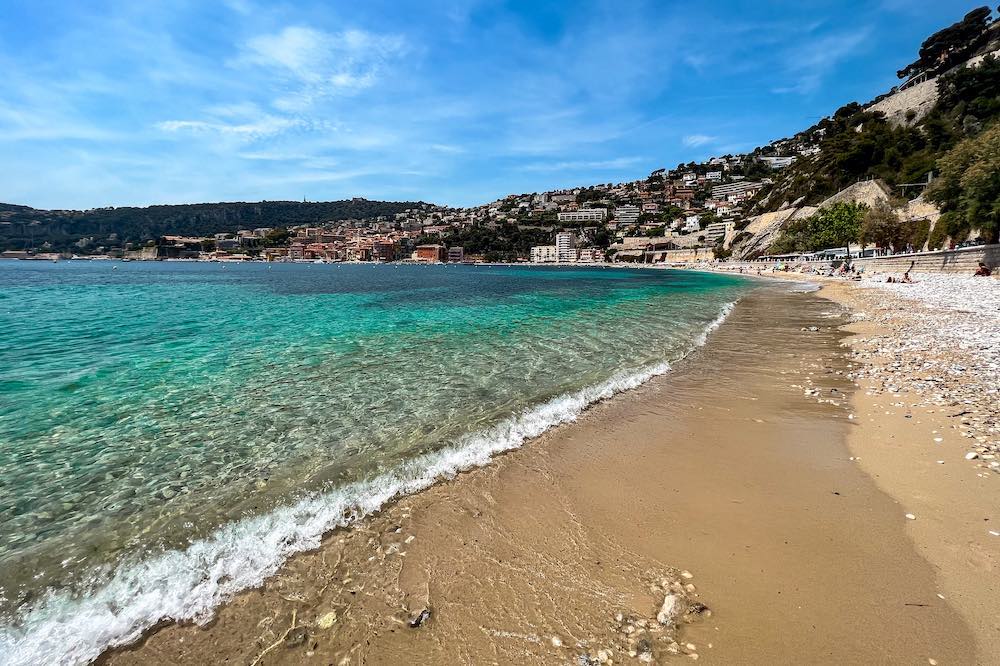
Plage des Marinières is the main beach and the easiest choice for most visitors. It stretches along the bay below the train station, with a relatively gentle entry into the water and cafés and restaurants nearby. Its convenient location makes it easy to combine sightseeing with a few hours by the sea.
Plage de la Darse, near the historic port, is smaller and rockier. It’s a better fit for confident swimmers and snorkelers who prefer a less conventional beach setting. Further along the coast toward Saint-Jean-Cap-Ferrat, Plage de l’Ange Gardien offers another option for a quieter beach stop.
For a fuller comparison of the beaches, including smaller spots and practical advice, see my guide to the best beaches in Villefranche-sur-Mer.
Where to Eat in Villefranche-sur-Mer
Villefranche-sur-Mer is a good place for a leisurely meal by the water, especially if you enjoy seafood and Mediterranean cooking. The waterfront restaurants around Port de la Santé are the obvious choice for views over the bay, although the setting can come with a premium. Bouillabaisse, fish dishes, and moules-frites are among the kinds of meals you’ll often find on the menus.
For something more tucked away, head into the Old Town. Cave Nature is worth considering for a sharing-style meal, while Tosca on Place Amélie Pollonais is a casual option for pizza. La Grande Cave de Villefranche is another address to look into if you’d rather enjoy a wine tasting with cheese and charcuterie.
Overall, the town’s restaurant scene is relatively small, so don’t expect the range you’ll find in Nice.
Where to Stay in Villefranche-sur-Mer
Villefranche-sur-Mer is a lovely place to stay if you’re looking for sea views, a relaxed atmosphere, and a smaller base close to Nice. It’s not the best fit for everyone, though: accommodation is more limited than in Nice, and the steep streets and stairways can make some properties less convenient than their photos suggest.
Here’s a quick overview of the main areas to consider:
The Old Town and Port are the best choice if you want to be close to restaurants, the waterfront, and the main sights. This area is atmospheric and convenient for a car-free stay, but many buildings have stairs and no lift, and direct access by car can be difficult.
La Darse has a quieter, more residential feel, with the historic port and coastal scenery close by. It suits travelers who prefer a less central setting while remaining within walking distance of the Old Town.
The hills above town offer more space and panoramic views across the bay. The trade-off is walkability: depending on the exact location, steep roads and the distance from the center can make a car or taxi useful.
And here’s a selection of top picks:

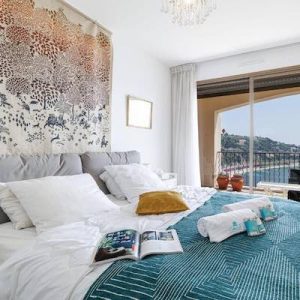

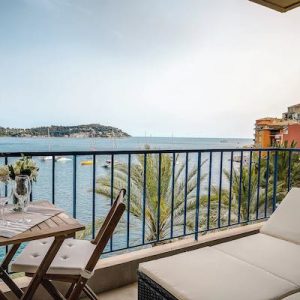



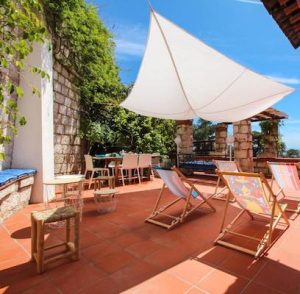
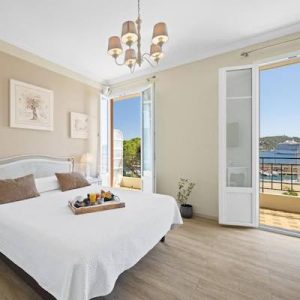





For a detailed overview of areas and accommodation options, see my guide to where to stay in Villefranche-sur-Mer.
How to Get to Villefranche-sur-Mer
The easiest way to get to Villefranche-sur-Mer from Nice is by train, with a journey of just a few minutes from Nice-Ville station. You can also take the bus, cycle along the coast, or walk the scenic coastal path if you’d like to make the journey part of your visit. Driving is another option, particularly if you’re exploring more of the French Riviera, although parking can be limited.
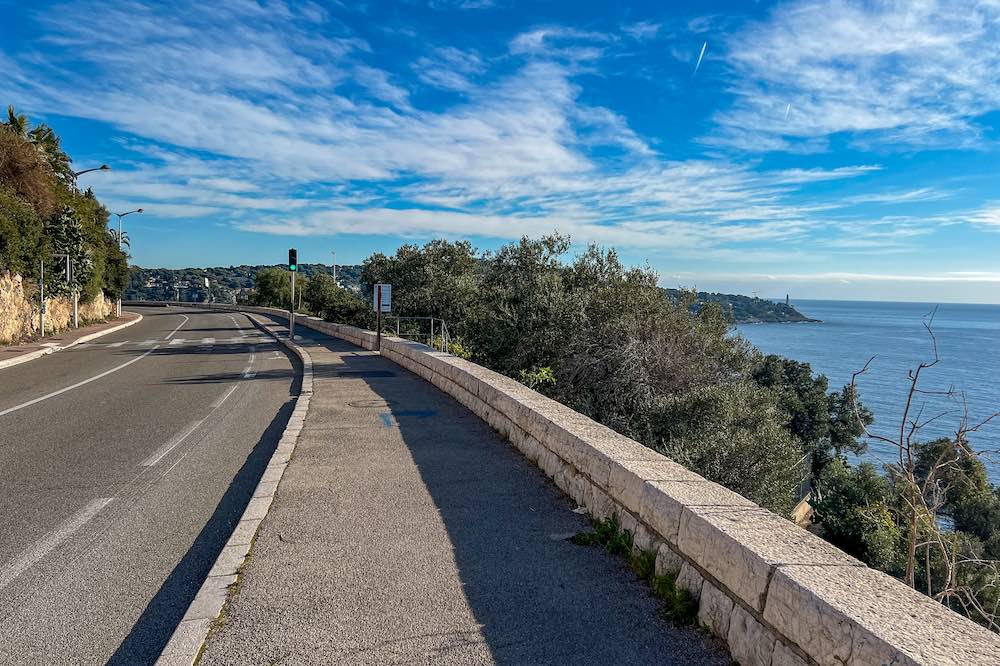
By train: The TER train is the easiest option for most visitors. The journey from Nice-Ville takes only a few minutes, and Villefranche-sur-Mer station is conveniently located above Plage des Marinières. From there, you can walk to the beach or continue into the Old Town and toward the harbor.
By bus: Buses connect Nice with Villefranche-sur-Mer and can be useful depending on where you’re staying in Nice and which part of Villefranche you want to reach. Check current routes and timetables before travelling, as services and journey times can vary.
By bike or on foot: Cycling along the coast offers lovely views over the sea, although parts of the route around Mont Boron are hilly and you’ll share the road with traffic. If you prefer walking, the coastal path from Nice to Villefranche-sur-Mer is a scenic alternative, with rocky coves and sea views along the way.
By car: Driving gives you flexibility if Villefranche-sur-Mer is part of a wider French Riviera road trip, but it isn’t necessary for a visit from Nice. Parking can be limited, especially in summer, so if you drive, plan where to park before setting off.
Discover Cars is my preferred car rental booking site in the French Riviera. It represents the most popular agencies and features a large selection of cars to choose from. Booking is effortless, and you can opt for free cancellation and deferred payment.
For a full comparison of the transport options, journey details, and practical advice, see my guide on how to get from Nice to Villefranche-sur-Mer.
Getting around Villefranche-sur-Mer
The main sights in Villefranche-sur-Mer are close enough to explore on foot. The Old Town, Chapelle Saint-Pierre, Citadel, waterfront, and Plage des Marinières can all be combined into one visit without needing local transport.
Do expect hills, stairs, and uneven paving, particularly in the historic center. Comfortable shoes make a difference, and anyone with limited mobility should plan routes carefully rather than assume every lane is easy to navigate.
La Darse is also walkable from the center, although it sits on the other side of the bay. If you’re staying in the hills above town, check the location and elevation of your accommodation before booking; a property that looks close on a map may involve a steep walk.
For longer outings, trains and buses make it easy to explore nearby coastal destinations.
Best ways to combine Villefranche-sur-Mer
Villefranche-sur-Mer works particularly well as part of a relaxed day on the eastern French Riviera. Rather than trying to fit several towns into a single outing, I’d choose one nearby destination to complement the Old Town, waterfront, and beach.
Build a Day Trip Around Villefranche-sur-Mer
If you’d like to see another destination on the same day, Saint-Jean-Cap-Ferrat and Beaulieu-sur-Mer are the most natural options.
You could explore Villefranche’s Old Town and waterfront before heading to Saint-Jean-Cap-Ferrat for a coastal walk or some time by the sea. My Saint-Jean-Cap-Ferrat day trip guide can help you plan a visit to the peninsula. Alternatively, visit Villa Kérylos in Beaulieu-sur-Mer for a change of scene and a glimpse of an ancient Greek-inspired residence.
Èze is another possibility if you’d like to combine a seaside town with a hilltop medieval village. It makes for a more varied day, but allow enough time for the journey and to explore both places without rushing. For itinerary ideas, see my Èze half-day trip guide.
I’d choose one additional destination rather than try to fit several into the same day, especially if you want time for lunch or a swim in Villefranche. And if you’d rather keep things simple, the Old Town, a waterfront meal, and a few hours at Plage des Marinières make a satisfying day on their own.
Explore Beyond Villefranche-sur-Mer
If you’re staying longer or using Villefranche-sur-Mer as a base, Nice and Monaco are both easy additions to your itinerary. Nice offers a much wider choice of museums, markets, shopping, and restaurants, while Monaco brings a different atmosphere, with its grand architecture, harbor, and attractions.
For a scenic outing by car, the Corniches above the coast offer another way to explore the area, with panoramic viewpoints and opportunities to stop in the villages along the way. I’ll link to my dedicated French Riviera Corniches guide here once it’s published.
A boat trip is another way to appreciate Villefranche’s bay and the surrounding headlands, especially if you’d like a change from exploring on foot.
When to visit Villefranche-sur-Mer
Villefranche-sur-Mer welcomes visitors all year, but the experience shifts with the seasons.
Spring: April and May can bring pleasant days, perfect for sightseeing, coastal walks, flowering gardens, and fewer beach crowds than summer. However, the sea may still feel chilly for swimming. June generally offers warmer water and longer days.
Summer: July and August are also the busiest months, with more day-trippers, cruise passengers, and pressure on parking and popular beaches. This is the perfect time of the year for swimming, beach time, and long meals by the waterfront. If you visit during peak season, start exploring the Old Town earlier in the day and save some time for the beach later.
Early autumn: September and early October can be particularly appealing. The weather is often still warm enough for the beach, the sea retains some summer warmth, and the atmosphere is generally more relaxed than at the height of the season. Conditions become less predictable as autumn progresses.
Winter: Villefranche-sur-Mer is quite sleepy from November to March. It can be a good time for walking and exploring without summer crowds. The town remains attractive in clear weather, but beach facilities and some seasonal businesses may be closed, and swimming is less appealing for most visitors.
Practical Tips for Visiting Villefranche-sur-Mer
A little planning can make your visit smoother, particularly in summer.
FAQ about Visiting Villefranche-sur-Mer
Plan Your Trip to Villefranche-sur-Mer
Villefranche-sur-Mer is a destination to enjoy at an unhurried pace. Explore the Old Town, discover the historic Citadel, stroll along the waterfront, and leave time for a swim or a long lunch overlooking the bay. If you have longer, add a coastal walk or explore nearby Saint-Jean-Cap-Ferrat and Beaulieu-sur-Mer.
Whether you visit for a few hours or stay overnight, there’s no need to rush: the scenery and atmosphere are a big part of what makes this little corner of the French Riviera so appealing.
Bookmark this page or pin it for future reference.